
Blog
2026 Top Waste Pickup Types for Global Buyers?
Global buyers entering the 2026 waste equipment market need more than attractive catalog images. They need a clear understanding of Waste Pickup types, operating conditions, and service expectations. Front-load systems suit scheduled commercial collection, especially around supermarkets, offices, and apartment blocks. Rear-load vehicles offer flexible collection for narrow streets and mixed commercial routes. Roll-off containers support construction sites, factories, and temporary high-volume projects. Hook-lift systems provide added flexibility when containers must be exchanged quickly.
The best choice depends on waste volume, loading space, container size, route distance, and local infrastructure. A 20-cubic-yard roll-off may work well beside a building site, while a compact rear-loader may perform better in dense urban neighborhoods. Buyers should examine payload ratings, hydraulic components, fuel or battery performance, noise levels, maintenance access, and operator safety features. Supplier experience matters. Verified production records, transparent specifications, inspection documents, and responsive after-sales support can reduce costly surprises.
No single system fits every market. That matters.
Climate, road quality, labor practices, and municipal collection rules can change the purchasing decision. A machine tested on smooth roads may struggle on uneven routes. A low purchase price may also hide expensive spare-parts delays. This guide compares leading Waste Pickup options for global buyers in 2026, using practical purchasing considerations rather than marketing claims. Some estimates may still require local verification. That is a limitation worth acknowledging. Reliable decisions come from matching equipment capability with real operating evidence.
Waste Pickup Types: Definition, Scope, and Core Functions
2026 Top Waste Pickup Types for Global Buyers?
Waste pickup means the planned removal of discarded materials from homes, businesses, construction sites, or public areas. Its scope includes containers, collection routes, loading methods, transport, weighing, and delivery to recovery or treatment facilities. Core functions are simple but demanding: separate materials, prevent overflow, protect workers, and maintain traceable records.
Common pickup types include mixed municipal waste, recyclable materials, food and garden organics, bulky items, and construction debris. Each type needs different equipment. A rear-loader may handle household bins, while a roll-on container suits heavy renovation waste. Organics often require sealed containers because moisture and odor increase quickly. The United Nations Environment Programme reported 2.1 billion tonnes of municipal solid waste in 2023, with annual generation projected to reach 3.8 billion tonnes by 2050. Collection design is becoming infrastructure, not a minor service.
The Global E-waste Monitor 2024 recorded 62 million tonnes of electronic waste in 2022. This figure shows why special collection streams matter. Buyers should check payload, container volume, lifting compatibility, route density, noise, fuel use, and digital tracking. Field reality is less tidy. Recyclables can arrive contaminated, and “general waste” may hide valuable materials. A strong specification leaves room for local habits, climate, and imperfect sorting. Data from the World Bank’s What a Waste 2.0 report also indicates that collection access remains uneven, especially in rapidly growing cities. Low purchase cost alone can create expensive failures.
How to Classify Waste Pickup Systems by Load and Application
2026 Top Waste Pickup Types for Global Buyers?
How to Classify Waste Pickup Systems by Load and Application
Waste pickup systems should be classified by load, material, and working environment. Small rear-loading units suit narrow streets, apartment blocks, and daily household collection. Their lower capacity reduces maneuvering problems, but may require more trips. Medium-load systems balance route length, fuel use, and collection frequency. They fit residential districts and mixed commercial areas.
Heavy-load systems serve transfer stations, construction zones, and large industrial sites. They need stronger frames, reinforced lifting equipment, and stable hydraulic performance. Bulky waste requires a different approach. Open containers, roll-on systems, or hook-lift equipment can handle furniture, timber, and oversized packaging more safely. Enclosed bodies are better for loose materials, odor control, and wet waste.
Application changes the selection.
Food-related waste often needs leak-resistant bodies and washable surfaces. Dry recyclables benefit from separated compartments, reducing contamination during pickup. High-density materials demand careful payload calculations, because volume can look acceptable while weight exceeds the safe limit. Buyers should check axle limits, loading height, container compatibility, and local road conditions before ordering. Field inspections reveal that initial capacity estimates are sometimes wrong. A vehicle that appears efficient may struggle on steep roads or congested routes. Operators should also review service access, spare-part availability, and driver training. These details quietly affect reliability over many collection cycles.
Typical working load ranges by waste pickup system. Front-load and rear-load units are commonly used for routine municipal and commercial collection, while roll-off and hook-lift systems suit construction, industrial, and high-volume applications. Actual capacity depends on container size, waste density, compaction ratio, axle limits, and local regulations.
Top Waste Pickup Types for Global Buyers in 2026
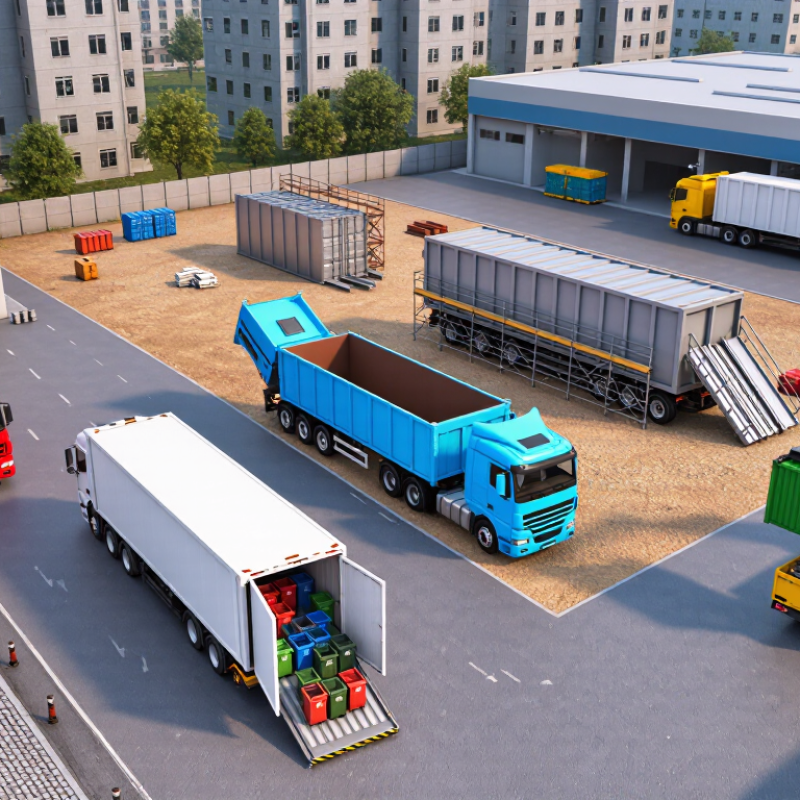
Global buyers are comparing waste pickup types by capacity, access, labor needs, and service frequency. Front-load trucks suit restaurants, offices, and apartment compounds with fixed collection points. Their enclosed containers reduce loose waste and keep collection areas cleaner. Rear-load trucks work well where staff must move bins manually. They are flexible, but loading can take more time.
Roll-off trucks remain practical for construction, renovation, and industrial projects. Open containers accept bulky materials, packaging waste, and sorted debris. A level loading area is essential. Hook-lift systems offer faster container exchange and support different box sizes. They can serve changing sites, although operators need careful alignment near walls, gates, and overhead cables.
Side-load trucks are useful for residential routes with standardized bins. Automated arms reduce manual handling and improve route consistency. However, narrow streets, parked vehicles, and uneven curbs can limit performance. Global buyers should check vehicle dimensions, payload ratings, hydraulic components, weather protection, and local maintenance support. Parts availability matters more than impressive specifications.
Small details matter.
Procurement teams should request route trials, noise data, fuel or energy consumption, and operator training records. Electric options may reduce local emissions, but charging access and battery downtime require honest review. Some buyers focus too heavily on purchase price. That can become an expensive mistake. A reliable pickup type depends on waste volume, site design, climate, workforce skills, and long-term service conditions. The perfect specification may still fail in a crowded collection yard.
| Pickup Type | Typical Waste Stream | Common Container Format | Typical Vehicle or Equipment | Typical Load Range | Common Pickup Frequency | Best Fit for Global Buyers | Key Purchasing Considerations |
|---|---|---|---|---|---|---|---|
| General Waste Pickup | Mixed non-hazardous municipal, commercial, and institutional waste | Wheeled bins, front-load containers, or enclosed compactors | Rear-loader, side-loader, front-loader, or compactor truck | Approximately 2–20 m³ per collection vehicle, depending on equipment | Daily to weekly | Commercial & municipal buyers | Check local rules for accepted materials, collection access, noise limits, and vehicle dimensions. |
| Recyclables Pickup | Paper, cardboard, metal cans, glass, and selected plastic packaging | Two-wheel bins, roll-off containers, cages, or baled-material areas | Compartmentalized truck, box truck, or hook-lift vehicle | Approximately 5–30 m³, depending on material density and compaction | Several times per week to weekly | Retail, offices & public services | Separate collection improves material quality; confirm contamination limits and accepted resin or packaging categories. |
| Food and Organic Waste Pickup | Food scraps, kitchen waste, green waste, and other approved biodegradable materials | Sealed wheeled bins, lidded carts, or dedicated organic containers | Sealed collection truck or washable food-waste vehicle | Approximately 2–15 m³ per vehicle | Several times per week to daily in warm climates | Food service & hospitality | Odor control, leak prevention, washing systems, temperature conditions, and local animal-by-product rules are important. |
| Garden and Green Waste Pickup | Branches, leaves, grass clippings, pruning waste, and other yard materials | Open-top containers, cages, bulk piles, or roll-off bins | Tipper truck, grapple truck, or hook-lift vehicle | Approximately 8–35 m³, with capacity affected by loose material volume | Weekly, seasonal, or on demand | Municipalities & landscaping services | Oversized branches may require shredding or chipping; confirm maximum branch diameter and prohibited treated wood. |
| Construction and Demolition Waste Pickup | Concrete, bricks, timber, gypsum, soil, and mixed renovation debris | Skip containers, roll-off containers, or heavy-duty bins | Roll-off truck, hook-lift truck, or tipper truck | Approximately 6–40 m³ per container or vehicle load | On demand or project based | Builders & infrastructure projects | Container payload must match legal axle limits; asbestos and other hazardous materials require separate handling and documentation. |
| Bulky Waste Pickup | Furniture, mattresses, large appliances, fixtures, and oversized household items | Open truck body, cage, or scheduled curbside collection | Box truck, cage truck, or vehicle with lifting equipment | Approximately 10–30 m³ per vehicle | Scheduled weekly, monthly, or on demand | Cities & property managers | Plan for manual handling, lifting access, item sorting, and separate routes for appliances containing refrigerants or other controlled substances. |
| Electrical and Electronic Waste Pickup | Computers, cables, small appliances, screens, and other discarded electrical equipment | Stillages, pallets, lockable cages, or covered containers | Box truck, pallet truck, or enclosed collection vehicle | Approximately 5–25 m³, often measured by weight and item category | Weekly to monthly or on demand | Retail, offices & manufacturers | Use secure, weather-protected storage; data-bearing equipment may require documented data destruction and chain-of-custody controls. |
| Used Batteries Pickup | Portable, industrial, automotive, and rechargeable batteries | Approved safety boxes, drums, pallets, or dedicated battery containers | Regulated goods vehicle or enclosed logistics vehicle | Typically handled by weight; container size varies by battery chemistry | On demand or when safe storage limits are reached | Industrial & retail networks | Battery chemistry, state of charge, packaging, labeling, fire protection, and transport regulations must be verified before purchase. |
| Used Oil and Liquid Waste Pickup | Used lubricating oil, oily water, grease, and other approved non-aqueous liquids | Drums, intermediate bulk containers, or fixed storage tanks | Vacuum tanker or pump-equipped service vehicle | Approximately 1,000–30,000 liters per vehicle, depending on the tanker | Scheduled or based on tank level | Automotive & industrial sites | Confirm liquid classification, spill response, tank compatibility, manifests, and permitted treatment or recovery routes. |
| Clinical and Healthcare Waste Pickup | Sharps, infectious waste, pharmaceutical waste, and other regulated healthcare materials | UN-approved sharps boxes, sealed clinical-waste bins, or compliant carts | Dedicated secure vehicle with washable, leak-resistant compartment | Typically managed by container count and weight rather than vehicle volume | Daily to weekly, depending on waste category and facility size | Hospitals & laboratories | Requires segregation at source, trained handlers, secure storage, tracking documents, and compliance with applicable health and transport laws. |
| Hazardous Industrial Waste Pickup | Solvents, contaminated absorbents, chemical residues, paints, and regulated process waste | Certified drums, intermediate bulk containers, tanks, or sealed specialty containers | Licensed hazardous-waste vehicle with spill-control equipment | Varies by waste class, container type, and legal payload | Scheduled or on demand | Manufacturing & laboratories | Waste classification, compatibility, labeling, emergency procedures, permits, and full transfer documentation are essential. |
| Liquid Sludge and Septage Pickup | Septic tank contents, wastewater sludge, grease-trap waste, and approved liquid residues | On-site tanks, pits, or grease interceptors | Vacuum tanker with suction hose and discharge system | Approximately 5,000–30,000 liters per vehicle | Scheduled, level-based, or emergency service | Utilities & commercial facilities | Evaluate hose reach, pumping distance, odor control, wash-down facilities, and authorized discharge locations. |
| Textile and Reusable Goods Pickup | Used clothing, household textiles, footwear, and reusable goods | Collection banks, sacks, cages, or covered roll cages | Box truck, van, or cage collection vehicle | Approximately 10–35 m³, with capacity strongly affected by compaction | Weekly to monthly | Retail & community programs | Moisture protection, theft prevention, sorting quality, and clear separation of reusable goods from contaminated textiles are important. |
| Waste Tire Pickup | Passenger-car, truck, motorcycle, and industrial tires | Steel cages, tire racks, or covered trailers | Flatbed, cage truck, or trailer with loading equipment | Usually measured by tire count or legal payload rather than cubic volume | Scheduled or on demand | Automotive & fleet operators | Confirm tire categories, stacking method, fire prevention, maximum payload, and approved recycling or recovery destinations. |
Key Selection Factors: Capacity, Materials, Safety, and Compliance
2026 Top Waste Pickup Types for Global Buyers?
Global buyers now need more than a large container. The World Bank’s What a Waste 2.0 estimates 2.01 billion tonnes of municipal solid waste annually, with volumes reaching 3.40 billion tonnes by 2050. Capacity should match local waste density, collection frequency, and vehicle lifting systems. A 660-liter wheeled bin may suit dense urban routes, while roll-off containers serve construction or bulky waste streams. Bigger is not always better.
Materials affect service life. High-density polyethylene resists moisture, corrosion, and repeated washing, while galvanized steel tolerates heavier loads and rough handling. Stainless steel can support stricter hygiene requirements, but its cost may challenge smaller operators. Check lid strength, wheel performance, drain design, and compatibility with lifting equipment. Small details matter.
Safety and compliance require practical verification. EN 840 provides useful requirements for mobile waste containers, but buyers must also confirm local labeling, noise, fire, and worker-safety rules. Clear color coding can reduce sorting errors. Rounded edges and stable lids lower handling risks. The UNEP Global Waste Management Outlook 2024 reports that municipal waste could rise from 2.1 billion tonnes in 2023 to 3.8 billion tonnes by 2050. Procurement teams should request test records, material declarations, and inspection guidance. I would avoid relying only on catalogue capacity. Real waste is wet, uneven, and sometimes heavier than expected.
Global Purchasing Guide: Suppliers, Standards, Costs, and Logistics
Global buyers entering the 2026 waste pickup market should match collection types with local demand. Municipal waste, recyclables, organic waste, bulky items, and electronic waste need different handling systems. Organic streams may require sealed bins and frequent pickups, especially in warm climates. Bulky waste often needs lift-gate trucks and scheduled loading windows.
Supplier verification should go beyond a low quotation. Ask for operating permits, insurance, vehicle inspection records, and documented treatment routes. Check whether the supplier measures contamination and provides weight tickets after collection. ISO 9001 or ISO 14001 certification can support credibility, but certification alone does not prove daily performance. Visit a sorting site when possible. Real conditions reveal more.
Costs usually include container rental, pickup frequency, labor, fuel, distance, sorting, and local charges. Request a line-by-line quotation. Also confirm minimum volumes and contamination fees. Standards differ across regions, so buyers should confirm accepted materials before signing. Logistics planning matters too. Define pickup windows, loading access, emergency contacts, and digital proof of service. For cross-border projects, align packaging, customs documents, and delivery terms with qualified local advisers. No forecast is perfect. Seasonal volumes can change sharply. A pilot order may expose weak assumptions before a long contract begins.
Related Posts
-
What is the Importance of Efficient Trash Removal for Sustainable Urban Development
-
Top 10 Garbage Removal Manufacturers from China at the 137th Canton Fair
-
Revolutionizing Waste Management Strategies for Efficient Trash Pickup Solutions
-
How to Choose County Waste Management Services Effectively?
-
2026 Top Waste Pickup Solutions for Global Procurement?
-

Top Strategies for Maximizing Efficiency in Waste and Recycling Management
Request a Quote
Fill out the form below and one of our specialists will contact you to discuss your questions and needs.