What is chlortetracycline premix and its uses?
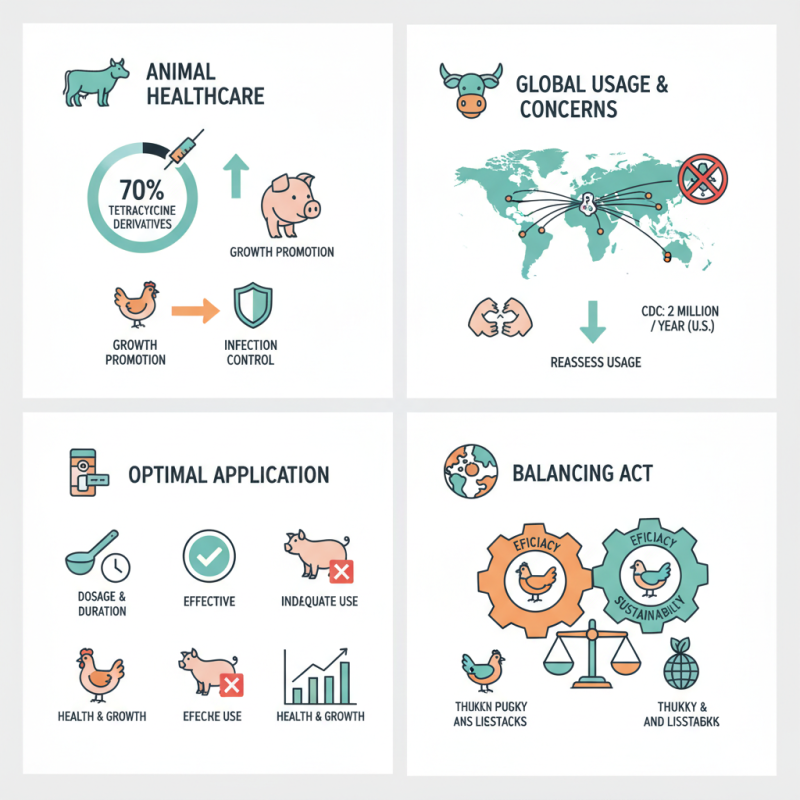
chlortetracycline premix is a significant component in animal healthcare. According to the Animal Health Institute, approximately 70% of veterinary antimicrobial sales in the U.S. comprise tetracycline derivatives. Chlortetracycline, widely used in livestock, helps control bacterial infections and promotes growth. Its role in preventing diseases can lead to improved feed efficiency.
Despite its benefits, concerns have emerged about antibiotic resistance. Overuse of chlortetracycline premix in livestock may contribute to resistant bacteria strains. The CDC reports that 2 million people experience antibiotic-resistant infections annually in the U.S. alone. This reality urges the industry to reassess usage patterns.
Moreover, proper application is crucial. Dosage and duration often determine effectiveness. Inadequate use may not achieve desired outcomes. Studies indicate that maintaining appropriate levels is essential for health and growth promotion. Stakeholders must balance efficacy and sustainability in poultry and livestock production.
What is Chlortetracycline Premix?
Chlortetracycline premix is an important veterinary medication. It is a blend of chlortetracycline, an antibiotic, with carriers or additives. This combination is intended for animal consumption. Livestock and poultry often receive it through feed, ensuring delivery in a controlled manner.
The primary use of chlortetracycline premix is to treat bacterial infections in animals. This can include respiratory infections and other illnesses common in livestock. The antibiotic works by inhibiting bacterial protein synthesis. However, improper use can lead to antibiotic resistance. That poses a significant concern for both animal and human health.
Farmers should ensure they follow guidelines when using this premix. Overuse can cause harm and may not solve health issues. It’s vital to monitor the health of animals closely. Doing so can decrease reliance on antibiotics. Finding alternative health management strategies is also a growing practice.
What is Chlortetracycline Premix and its Uses?
| Dimension | Details |
| Active Ingredient | Chlortetracycline |
| Formulation Type | Premix |
| Used For | Veterinary medicine, mainly in livestock |
| Target Species | Cattle, pigs, poultry |
| Primary Use | Treatment and prevention of bacterial infections |
| Administration Route | Oral |
| Dosage Form | Powdered form mixed with feed |
| Regulatory Status | Approved for use in animal health by regulatory agencies |
Composition and Manufacturing Process of Chlortetracycline Premix
Chlortetracycline premix is a specialized formulation widely used in the agricultural sector. Its main component, chlortetracycline, is an antibiotic. Farmers utilize this premix to promote growth in livestock and help in disease prevention as well. The composition may include various excipients to enhance stability and absorption.
The manufacturing process of chlortetracycline premix is meticulous. Manufacturers start with high-quality raw materials. The premix formulation involves thorough mixing to ensure uniform distribution of the antibiotic. Special attention is paid to the ratio of active ingredients. This balance is critical for effectiveness and safety.
Tips: Always check the mixing process. Inconsistent mixtures can lead to inefficiencies. Proper storage conditions are equally vital. Exposure to moisture and sunlight can degrade the premix’s quality.
Moreover, there can be challenges during manufacturing. Equipment malfunctions or human errors might impact the final product. Frequent quality checks should be a norm. This reduces the chances of errors and maintains product integrity.
Common Uses of Chlortetracycline Premix in Animal Health
Chlortetracycline premix is a vital tool in animal health. It is often used in livestock to treat various bacterial infections. This antibiotic helps reduce disease incidence in animals raised for food production.
Commonly, chlortetracycline premix addresses respiratory diseases, like pneumonia, in pigs and cattle. It also combats infections in poultry, promoting overall growth and health. This antibiotic aids in preventing the spread of illness within herds, which is crucial for animal welfare. Farmers report better herd productivity when using this premix.
**Tip:** Always follow guidelines for dosage. Overuse can lead to resistance, making bacteria harder to treat.
Some issues may arise with chlortetracycline usage. Mismanagement of dosages can affect animal health and antibiotic effectiveness. Additionally, it’s important to consider withdrawal periods before slaughter. This ensures that no residues remain in the meat.
**Tip:** Keeping accurate records of antibiotic use is essential for compliance and animal safety.
Dosage and Administration Guidelines for Chlortetracycline Premix
Chlortetracycline premix is a veterinary antibiotic commonly used in livestock. It’s effective against various bacterial infections. Its proper dosage is crucial for efficacy and safety. The typical dosage varies by species. For poultry, it’s often 100-200 mg per liter of drinking water. For pigs, the dosage can reach 400 mg per liter. Always adjust based on veterinarian recommendations.
Tips: Always ensure accurate measurements when preparing the premix. Improper dosing can lead to suboptimal results or resistance.
Administration is straightforward but requires caution. The premix can be mixed with feed or water. Regular monitoring of livestock health is essential. Watch for signs of adverse reactions. Understanding the withdrawal period is vital before slaughter. Improper timing may affect animal product safety.
Tips: Keep detailed records of administration to track effects and adjust dosing as needed. Regular consultations with a veterinarian can help refine practices. Remember, every animal reacts differently. Being attentive is crucial for a successful treatment.
Potential Side Effects and Precautions When Using Chlortetracycline Premix
Chlortetracycline premix is widely used in agriculture. It helps prevent infections in livestock. However, users must be aware of potential side effects. Reports indicate that around 5-10% of animals may experience gastrointestinal disturbances. This can include diarrhea and inappetence. Monitoring livestock is crucial after administration.
Some animals show allergic reactions. Skin irritations or swelling can occur. If an allergic reaction is suspected, immediate veterinary consultation is essential. A study showed that prolonged use may lead to antibiotic resistance in certain bacterial strains. This is a growing concern among veterinarians and farmers alike. They warn against excessive use.
Precautions are vital when using chlortetracycline premix. Avoid using it in pregnant or lactating animals without guidance. Dosage errors can lead to toxicity. Consistently check for updates on safety regulations. Being well-informed helps in mitigating risks associated with its usage. Balancing effectiveness with safety is key.