How Long Does Chocolate Last Before Expiration?
Chocolate is a beloved treat enjoyed by many around the world. But how long does it last? Understanding Chocolate expiration is crucial for anyone who wants to savor its rich flavors safely. Chocolate can last for months, even years, depending on its type and storage conditions.
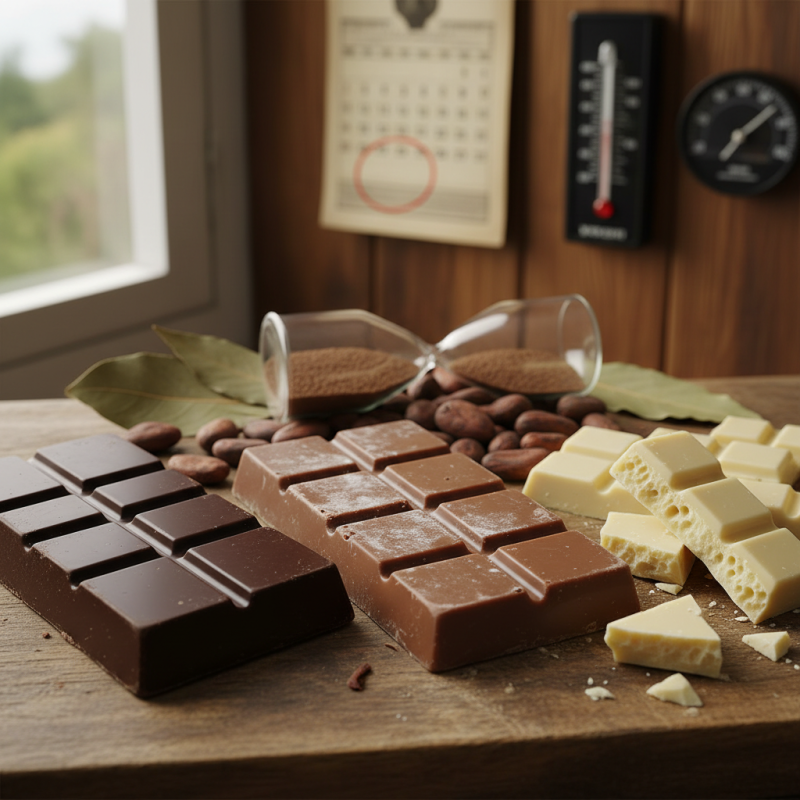
Dark chocolate typically has a longer shelf life. It can last up to two years if stored correctly. Milk chocolate, however, may only last one year. White chocolate is even more delicate, often expiring within six to eight months. Factors like temperature and humidity play a big role in chocolate quality.
Not all chocolate improves with age. Over time, chocolate may develop a dull appearance or a white film called bloom. This happens when fat rises to the surface. While it may still be edible, it can affect taste and texture. It's essential to reflect on your chocolate consumption habits. Checking for signs of expiration can help you avoid less-than-ideal experiences with your favorite treat.
Understanding Chocolate Expiration Dates
Chocolate is a beloved treat, but understanding its expiration dates is vital. Most chocolate has a shelf life of around one to two years. However, this doesn’t mean it will taste good forever. Over time, the flavor can diminish. The texture may change too, becoming less smooth.
Expiration dates on packaging can be confusing. They often indicate the period for optimal taste rather than safety. This creates a dilemma. Is that chocolate bar from last year still good? It might look fine, but it could lack freshness. White spots, known as bloom, can form on chocolate. This doesn’t mean it's bad, but it's a sign of aging.
Storing chocolate correctly is crucial for extending its lifespan. Keep it in a cool, dry place away from strong odors. Even the best chocolate can lose its charm if not cared for properly. Opening a bar months later may bring bittersweet disappointment. Chocolate may survive the expiration date, but it often needs a review to assess its quality.
Chocolate Shelf Life by Type
This chart illustrates the average shelf life of various types of chocolate before they expire. Dark chocolate typically lasts the longest, while white chocolate has the shortest shelf life.
Factors Influencing Chocolate Shelf Life
When it comes to chocolate, shelf life is influenced by various factors. The type of chocolate significantly matters. Dark chocolate generally lasts longer than milk or white chocolate due to its lower dairy content. This means fewer preservatives and a longer lifespan in the pantry. Quality also plays a role; high-quality chocolate tends to resist spoilage better.
Storage conditions are equally important. Keep chocolate in a cool, dry place away from direct sunlight. Humidity can cause chocolate to bloom, leading to an unsightly white film. It’s critical to keep chocolate in an airtight container to maintain its freshness. However, even then, chocolate can lose its flavor over time. A chocolate bar might look fine but taste stale.
The presence of fillings or added ingredients shortens the life of chocolate. Chocolates with nuts, caramel, or fruit fillings may spoil faster. Monitor the packaging date. It's tough to estimate chocolate's lifespan. Relying solely on dates often does not reflect actual quality. Always trust your senses: if chocolate looks or smells odd, it might be time to say goodbye.
Different Types of Chocolate and Their Longevity
When it comes to chocolate, not all varieties are created equal. Dark chocolate tends to have the longest shelf life. It can last for up to two years if stored properly. The high cocoa content acts as a natural preservative.
Milk chocolate, however, doesn’t hold up as well. It usually lasts around one year. The milk solids in the chocolate can spoil over time.
White chocolate is the most perishable. It generally lasts about six months. Its high fat content can become rancid, affecting both flavor and texture. The best way to store chocolate is in a cool, dark place. Moisture and heat can ruin even the finest chocolate. Even slight changes in temperature can impact its quality.
Not everyone realizes that chocolate can lose its shine and flavor with age. Sometimes, it might develop a white coating, known as bloom. This doesn’t mean it’s bad but can affect taste. If you notice any off smells or unusual textures, it’s better to toss it. Being mindful of chocolate’s lifespan can enhance your experience. Each type brings unique flavors and textures worth savoring.
Signs of Chocolate Spoilage to Look For
Chocolate can be a delightful treat, but it has a shelf life. Understanding signs of spoilage is essential. One study reveals that chocolate typically lasts between 1 to 2 years, depending on the type. Dark chocolate has a longer lifespan, while milk chocolate and white chocolate may spoil quicker.
Visible changes can indicate spoilage. Look for white streaks or a powdery film. This is called bloom, which occurs due to temperature fluctuations. Bloom does not mean the chocolate is unsafe, but it can affect texture and flavor. Rancidity is another sign. If chocolate smells or tastes off, it’s best to discard it.
Texture changes can also signal a problem. Chocolate should be smooth and glossy. If it becomes brittle or crumbly, it's a sign that it has aged poorly. Always check the packaging date. Consuming expired chocolate may lead to undesired taste experiences. In some cases, off-flavors may arise without visible signs. Trust your senses; a simple sniff can help you decide. Staying aware of these signs can enhance your chocolate enjoyment.
How Long Does Chocolate Last Before Expiration? - Signs of Chocolate Spoilage to Look For
| Type of Chocolate | Shelf Life (Unopened) | Shelf Life (Opened) | Signs of Spoilage |
| Dark Chocolate | 2 years | 1 year | White spots, dull appearance |
| Milk Chocolate | 1 year | 6 months | White spots, off smell, texture changes |
| White Chocolate | 1 year | 6 months | Yellowing, grainy texture |
| Chocolate Bars with Fillings | 1 year | 3-6 months | Separation of filling, off odors |
| Baking Chocolate | 2 years | 1 year | White bloom, rancid smell |
Best Practices for Storing Chocolate to Extend Freshness
Storing chocolate properly is essential for maintaining its freshness. Chocolate should be kept in a cool, dark place. The ideal temperature range is between 65°F and 70°F (18°C to 21°C). Experts recommend avoiding temperature fluctuations. Extreme heat can cause chocolate to bloom, resulting in a dull appearance.
Humidity is another crucial factor. Chocolate absorbs moisture easily, impacting its texture and flavor. The ideal humidity level is around 50%. A sealed, airtight container can help. Keep chocolate away from strong odors. It easily absorbs scents, which can alter its taste.
Industry reports indicate that chocolate stored improperly can lose quality within months. However, when stored correctly, it can last up to two years, depending on the type. White chocolate has a shorter shelf life compared to dark chocolate. Regular checks of the storage area help maintain optimal conditions. Reflecting on these practices can improve chocolate longevity.