How to Choose the Best Heavy Duty Slurry Pump for Your Needs?
Choosing the right heavy duty slurry pump is crucial for many industries. The global slurry pump market is projected to reach $4.5 billion by 2025, reflecting a growing demand. Heavy duty slurry pumps are essential for handling abrasive and viscous materials efficiently.
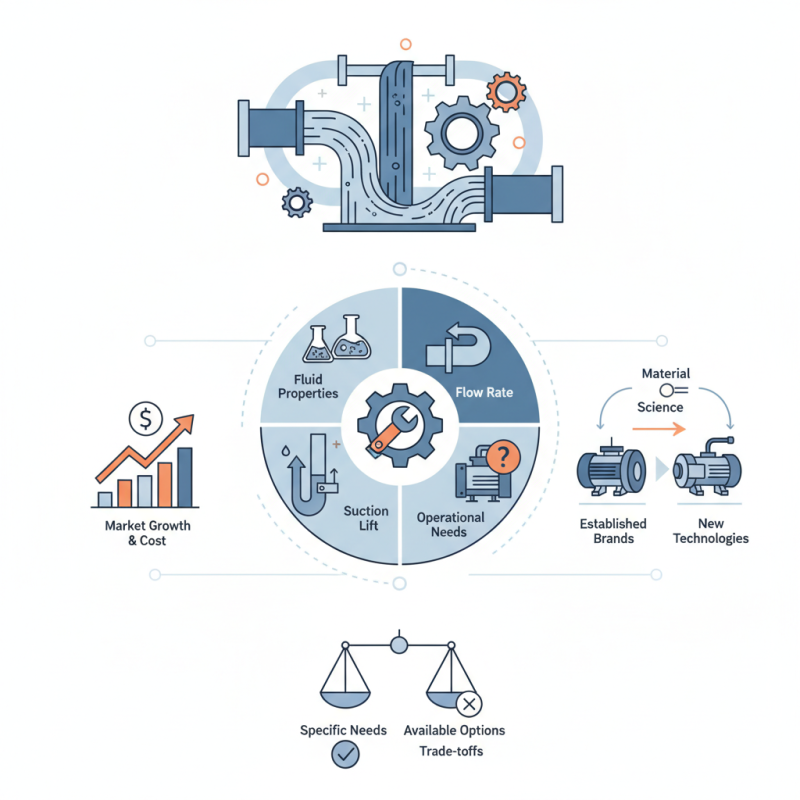
Selecting a suitable pump can be challenging. Factors like fluid properties, flow rate, and suction lift must be considered. A mismatch could lead to operational failures. Some users overlook these aspects, which can incur significant costs.
Many prefer established brands, but newer technologies can offer benefits too. For example, advanced materials improve wear resistance. It’s important to evaluate your specific needs against various options available. Each choice comes with trade-offs, so clarity in requirements is vital.
Understanding the Basics of Heavy Duty Slurry Pumps
Heavy duty slurry pumps are essential in various industries. These pumps are designed to handle abrasive and viscous materials. Understanding their basics can help in selecting the right pump for your needs.
Slurry pumps can handle solids ranging from one millimeter to over 75 millimeters in diameter. According to industry reports, the average solids concentration in these pumps can be as high as 60% by weight. This capability is crucial for applications like mining and wastewater treatment. It ensures efficiency in transporting materials that are often thick and gritty.
When choosing a slurry pump, consider the material compatibility. Pumps made of high-chrome iron or rubber-lined materials are good for abrasive slurries. An industry study highlights that nearly 40% of pump failures are due to material degradation. Proper maintenance practices can mitigate this risk. However, many users overlook this aspect. Regular inspections and timely replacements are vital for longevity.
Identifying Your Specific Slurry Pump Requirements
Choosing the right heavy-duty slurry pump begins with understanding your specific needs. A slurry pump handles abrasive and corrosive materials, often in harsh environments. The type of material, particle size, and the viscosity of your slurry all influence pump selection. For instance, a slurry with large solids requires a pump with a larger inlet and more robust impeller design.
Industry data shows that about 70% of pump failures result from improper sizing. Selecting a pump that meets your flow and pressure requirements is crucial. It's essential to calculate the total dynamic head and consider the specific gravity of the slurry. These details directly impact the pump's performance and efficiency.
Additionally, think about the operating environment. Will the pump be submerged? Is it exposed to extreme temperatures? Vibration and noise levels should also be assessed. Overlooking these factors can lead to costly downtime and repair. Collecting this data before making your choice can significantly enhance pump reliability. Remember, the right pump not only improves workflow but can also reduce maintenance costs over time.
Key Features to Look for in a Heavy Duty Slurry Pump
When choosing a heavy-duty slurry pump, it's crucial to focus on key features. First, consider the material of the pump. High-quality, wear-resistant materials ensure durability. This is especially important in abrasive environments. Rubber-lined or hard metal options can significantly extend the pump's lifespan.
Next, look at the capacity and head pressure of the pump. Ensure it meets the demands of your operation. A pump with a higher capacity can handle larger volumes. However, over-specifying might result in unnecessary costs. Pay attention to the efficiency rating. A more efficient pump saves energy and reduces operational costs.
Lastly, examine the pump’s maintenance requirements. Pumps that require frequent upkeep can disrupt operations. In contrast, those designed for easy maintenance can save time and labor. Ideally, select a pump that balances performance and maintenance needs. Always think critically about how each feature fits into your unique situation.
Evaluating Performance Metrics and Specifications
When selecting a heavy-duty slurry pump, performance metrics are crucial. The pump's flow rate is a primary factor. A flow rate of 3000 to 8000 liters per minute is typical for heavy-duty applications. However, it's essential to assess the specific requirements of your operation. Too high a flow can lead to inefficiencies.
Another crucial metric is the Total Dynamic Head (TDH). TDH indicates how high the slurry can be pumped. It's often measured in meters. For many industrial applications, a TDH range between 15 to 30 meters is standard. Lower TDH might indicate a lack of power, limiting the pump's effectiveness in delivering materials.
Pump wear resistance is also critical. Many reports indicate that a slurry pump can experience significant wear rates. In harsh environments, the right material can extend pump life. For example, pumps made with high-chrome cast iron can resist abrasion better. But they might not always be necessary, depending on the materials being pumped. Reflect on the specific operational needs to avoid overspending on features that may not be required.
Performance Metrics of Heavy Duty Slurry Pumps
Comparing Brands and Models for Optimal Selection
When selecting a heavy-duty slurry pump, it’s crucial to compare various brands and models. The slurry pump market is expected to grow by over 7% annually, driven by demand in mining and construction. Understanding the specific needs of your application is key. Not all pumps handle the same materials or flow rates efficiently.
Consider the material composition of the pump. Many pumps utilize robust metals, while some feature ceramic linings. Make sure to match the pump’s materials to your slurry characteristics. A mismatch can lead to premature wear and costly downtime.
Tips: Assess your application’s viscosity and solids concentration before making a decision. Look for a pump that minimizes maintenance downtime and is easy to service. Regular maintenance is often overlooked, but it can significantly extend the life of your equipment.
Investigating brand reputations helps too. User reviews and industry reports can provide insight. However, not every review may tell the full story. Be wary of inflated claims and always verify facts. A thorough evaluation helps in making an informed choice. Make your decision count.