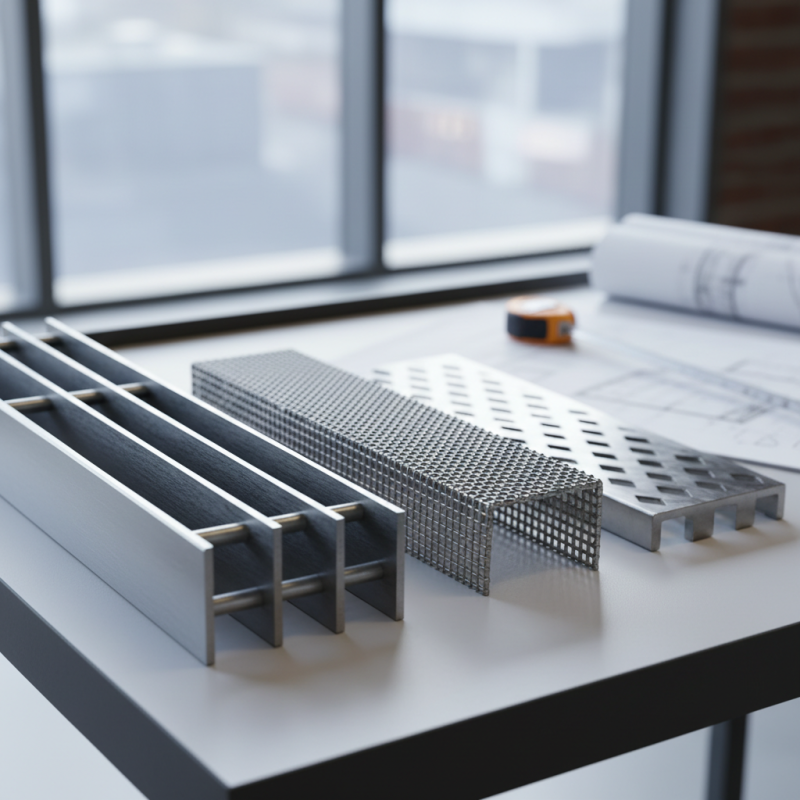
How to Choose the Best Stainless Steel Grating for Your Project?
When selecting materials for your construction or landscaping project, Stainless Steel Grating stands out. This durable, versatile option offers both strength and aesthetic appeal. Many factors influence your choice. Understanding these elements can create lasting solutions.
Stainless Steel Grating provides excellent resistance to corrosion. This makes it ideal for various environments. It's essential to consider the specific application. Will it be exposed to chemicals or heavy loads? Each project is unique, and the right choice can enhance longevity.
The variety of styles available can be confusing. Some options are more slip-resistant than others. It's vital to identify your priorities. While cost may be a factor, compromising on quality can lead to issues later. Think carefully about what your project truly needs. A rushed decision could result in regrets.
Identify Your Project Needs and Specifications
Choosing the right stainless steel grating for your project requires careful consideration of specific needs. Start by identifying the environment where the grating will be used. Outdoor applications may necessitate higher corrosion resistance, especially in coastal areas with salty air. According to industry data, around 75% of stainless steel applications are influenced by environmental conditions. Make sure to review your load-bearing requirements too. Different grades of stainless steel, such as 304 or 316, can support varying weights.
When evaluating specifications, assess the material’s strength and durability. A report by the American Institute of Steel Construction states that stainless steel grating can withstand significant stress while resisting harsh elements. Also, consider the spacing of the bars. A tighter spacing offers greater safety but may influence drainage and airflow.
Tips: Always consult with a professional for advice tailored to your project. Gather samples to gauge the material’s texture and weight. Reflect on the cost versus the longevity of your choice—higher upfront costs may lead to savings over time. Remember, the right choice can enhance both functionality and aesthetic appeal.
Understand Types of Stainless Steel Grating Available
When selecting stainless steel grating, understanding the different types available is crucial. There are various options, including smooth, serrated, and wedge-shaped grates. Smooth grating is often chosen for aesthetics and ease of cleaning. However, it can be slippery when wet, posing safety risks in certain environments.
Serrated and wedge-shaped grating options offer better traction, making them ideal for outdoor and industrial settings. They provide stability underfoot, which is vital where heavy traffic is common. Each type has specific applications, so selecting the right one for your project is essential.
Material composition also matters. Stainless steel grating comes in various grades, impacting strength and corrosion resistance. Lower grades may be cost-effective, but they might not endure harsh conditions. Higher-grade options are often more reliable but can strain budgets. Knowing where and how your grating will be used helps in making informed decisions that may save you time and money in the long term.
Consider Load Capacity and Safety Requirements
When selecting stainless steel grating for your project, load capacity is a critical factor. Different applications require various load-bearing capabilities. According to the American National Standards Institute (ANSI), grating must withstand specific loads based on its intended use. For example, pedestrian walkways usually need a load capacity of around 1,000 pounds per square foot, while heavy industrial areas may require up to 2,500 pounds.
Safety should also be a priority in your decision-making process. Stainless steel grating offers excellent slip resistance, which is crucial in preventing accidents. However, it’s important to ensure that the grating meets the safety regulations outlined by organizations like the Occupational Safety and Health Administration (OSHA). Sometimes, users overlook these standards, leading to potential hazards.
In making your choice, consider factors like environmental exposure and maintenance requirements. Stainless steel is corrosion-resistant, great for outdoor settings. However, it may require periodic inspections to maintain safety standards. Skimping on this aspect can lead to costly replacements down the line. Balancing load capacity, safety, and maintenance is essential to finding the best grating for your project.
Evaluate Corrosion Resistance and Durability
When selecting stainless steel grating, corrosion resistance and durability are key factors to consider. Stainless steel can resist rust, making it ideal for outdoor projects. However, not all grades offer the same level of protection. For example, Type 304 stainless steel is popular but may not withstand highly corrosive environments.
Tips for evaluating materials: Always check the grade of stainless steel. For example, Type 316 offers superior resistance to saltwater. It's often used in marine environments. Consider your specific project requirements. Think about exposure to chemicals or moisture. This will guide you in choosing the right material.
Durability also depends on the grating's design. Look for options that provide adequate load-bearing capacity. The spacing of the bars can affect strength. Pay attention to the weight of the grating itself. Sometimes, a lighter option may seem appealing but could compromise longevity.
It's essential to review your project's conditions. If you're unsure, consult experts. They can advise on the best choices based on environmental challenges. Your decision could impact not only performance but also safety. Making the right choice now can prevent problems in the future.
Corrosion Resistance and Durability of Stainless Steel Grating Types
Review Installation Methods and Maintenance Tips
Installing stainless steel grating requires careful consideration. It’s essential to prepare a clean and stable surface. Check the area for any debris. A well-prepared foundation ensures proper installation and longevity.
When it comes to installation methods, several options exist. You can use bolts or anchors to secure the grating. Some may prefer welding for a permanent solution. Each method has its pros and cons. It’s crucial to assess your specific project needs before choosing the right approach. Some might find welding challenging. If you lack experience, it may lead to mistakes.
Maintenance is vital to maximize the lifespan of your grating. Regularly inspect the surface for rust or grime. Cleaning can prevent buildup and maintain a polished look. A simple scrub with soapy water can work wonders. Always dry the area after cleaning to prevent moisture accumulation.
Tip: Regular maintenance checks can save time and effort in the long run. Pay attention to wear and tear. Address issues as soon as they arise. Stay proactive to ensure the grating remains functional and visually appealing.
How to Choose the Best Stainless Steel Grating for Your Project? - Review Installation Methods and Maintenance Tips
| Grating Type | Material Grade | Load Capacity (lbs) | Installation Method | Maintenance Tip |
| Open Bar Grating | 304 Stainless Steel | 1,500 | Welded | Regular cleaning to prevent debris accumulation |
| Safety Grating | 316 Stainless Steel | 2,000 | Screw Fastened | Inspect for corrosion and re-coat regularly |
| Heavy Duty Grating | 304 Stainless Steel | 3,000 | Bolted | Check bolted joints for tightness |
| Micro Mesh Grating | 304 Stainless Steel | 1,200 | Welded | Use mild soap and water to clean |