Top Cold Dessert Trends in China You Need to Know?
The Cold Dessert market in China is experiencing a remarkable evolution. According to an industry report by Euromonitor, sales of frozen desserts have grown by over 10% annually in recent years. Consumers are seeking innovative flavors and unique textures, leading to an increase in artisanal outlets and gourmet frozen treats.
The growth in popularity is closely linked to social media trends. Platforms like WeChat and Douyin showcase visually appealing desserts, fueling consumer interest. Moreover, younger generations prioritize experiences over products, influencing their dessert choices. Cold desserts are not just treats; they are also a form of self-expression and creativity.
Despite the positive outlook, challenges exist. Some brands struggle to maintain consistency in quality and flavor. Furthermore, the market remains fragmented, with numerous players vying for attention. Balancing innovation and reliability is crucial for brands aiming to thrive in this competitive landscape. Understanding these trends is vital for any stakeholder interested in the cold dessert sector.
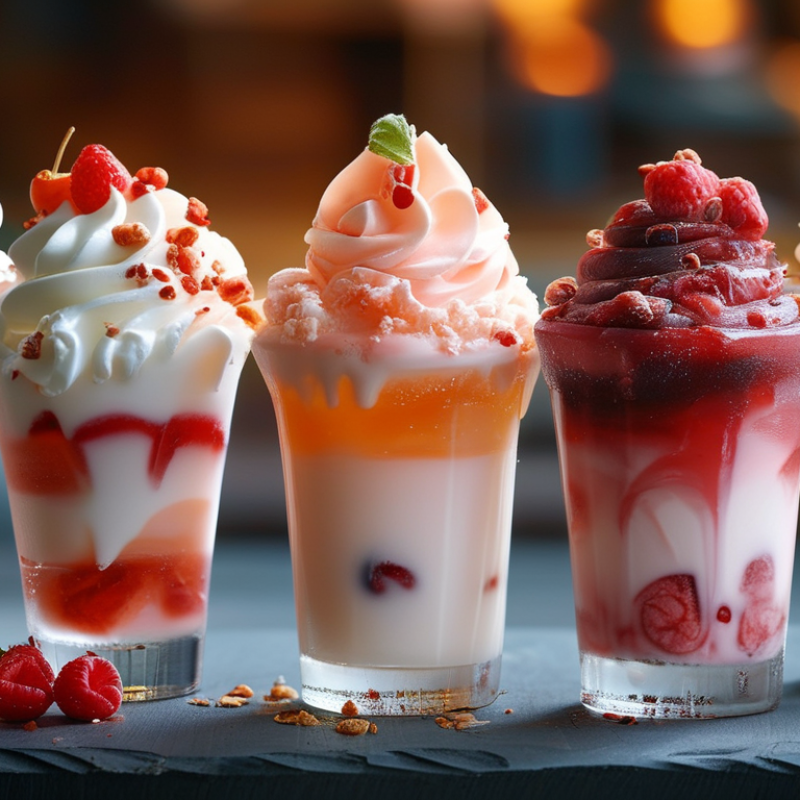
Emerging Flavors in Chinese Cold Desserts: A Flavor Revolution
Cold desserts in China are rapidly evolving. This change is not only about texture and temperature but also about flavors. Data from recent market reports suggest a 15% annual growth in the cold dessert sector, driven largely by innovative flavor choices. Traditional options like red bean and lotus seed are now blending with unexpected ingredients.
New flavors are gaining momentum. Jasmine and matcha, once niche, are becoming mainstream. Consumers are curious; they seek combinations that surprise their palates. Reports indicate that around 40% of dessert buyers prefer unique tastes over classic ones. This shift reflects a broader trend toward experiential eating, where the flavor journey matters more than just the dessert itself.
However, this trend isn't without challenges. The balance between innovation and tradition is delicate. Some consumers may feel overwhelmed by unusual flavor pairings. Brands need to tread carefully, ensuring that while exploring new tastes, they remain relatable. The industry must listen to feedback and adjust accordingly. The ongoing flavor revolution in cold desserts is both exciting and perplexing.
Top Cold Dessert Trends in China You Need to Know
| Trend | Description | Emerging Flavors | Popularity |
| Sushi Ice Cream | A fusion dessert combining sushi and ice cream for a unique flavor experience. | Matcha, Mango, Black Sesame | High |
| Snow Ice | A fluffy, shaved ice dessert topped with various syrups and toppings. | Taro, Coconut, Fruit Syrups | Medium |
| Mochi Ice Cream | Creamy ice cream wrapped in a chewy mochi exterior. | Lychee, Red Bean, Green Tea | High |
| Fruit Slushies | Blended icy drinks made with fresh fruits and herbs. | Watermelon, Pineapple, Basil | Growing |
| Frozen Yogurt | A healthier alternative to ice cream, often with probiotic benefits. | Honey, Acai, Elderflower | Medium |
Traditional vs. Modern: The Evolution of China's Cold Dessert Culture
China's cold dessert culture has undergone remarkable changes over the years. Traditional desserts like shaved ice and sweet glutinous rice balls provided comfort and nostalgia. These dishes often celebrated local ingredients and were made by hand. Families gathered to enjoy these treats during festivals and special occasions. The preparation was more than just cooking; it was a bond shared among family members.
In contrast, modern cold desserts reflect a vibrant fusion of flavors and techniques. Contemporary shops serve unique combinations, mixing traditional elements with global influences. For example, some desserts incorporate fruits, teas, and even creams. The rise of technology has made new presentation techniques possible, turning desserts into edible art. Many people now enjoy these sweets in trendy cafés, making dessert a social experience. Yet, this evolution raises questions. Are traditional flavors being lost? Are we sacrificing simplicity for aesthetics? These reflections highlight the ongoing dialogue within China's dessert culture, balancing heritage with innovation.
Influence of Social Media on Cold Dessert Trends in China
In recent years, social media has dramatically shaped cold dessert trends in China. Platforms like Douyin and WeChat have become essential for dessert enthusiasts. Photogenic treats often go viral, leading to a surge in demand. Young people especially share their dessert experiences online. This creates a ripple effect, encouraging brands to innovate constantly.
Vibrant colors and unique presentations are key. Imagine an ice cream covered in shimmering edible glitter. This trend catches the eye, making it Instagram-worthy. The influence pushes businesses to experiment with flavors, textures, and even health aspects. Although some may question the authenticity of these desserts, their visual appeal cannot be denied. Foodies often feel pressured to choose desserts that will perform well on social media, rather than just enjoying the taste.
Not all trends last, though. As tastes evolve, some creations fade into obscurity. The constant chase for the next viral dessert can lead to a lack of depth in flavor profiles. Without a thoughtful approach, brands might lose touch with their core audience. Reflecting on these trends helps to identify what truly matters: quality, enjoyment, and connection to culture.
Top Cold Dessert Trends in China You Need to Know
Health-Conscious Cold Dessert Options Gaining Popularity in China
In recent years, health-conscious cold dessert options are taking center stage in China. Many consumers are shifting towards desserts with natural ingredients. These choices often feature fresh fruits, whole grains, and plant-based sweeteners. It's a refreshing trend, but it also raises questions about flavor and texture.
Plant-based ice creams are particularly popular. Made from almond, soy, or coconut milk, they often lack the creaminess of traditional ice cream. Some might find the taste unusual at first. Consumers are discovering new favorites, yet there is a learning curve. It's exciting but can also be frustrating for those accustomed to rich dairy flavors.
Another interesting option is fruit sorbets. They use real fruit puree, offering a vibrant burst of flavor. However, the balance of sweetness can sometimes be off.
Veggie-infused options are emerging, blending unique tastes. This approach keeps dessert innovative but also perplexing for traditionalists. The evolution of cold desserts in China reflects a growing awareness of health, but it presents challenges alongside opportunities.
The Rise of Customizable Cold Desserts: A Personal Touch in China
In recent years, customizable cold desserts have gained immense popularity in China. People now seek personal connections with their food. This trend allows diners to design their own treat. Each dessert reflects individuality. Consumers can choose flavors, ingredients, and toppings. This freedom transforms a simple dessert into a unique masterpiece.
When crafting your own cold dessert, consider unique flavor combinations. Mixing traditional and modern elements can lead to delightful surprises. For instance, matcha pairs well with mango. Explore textures too. Crunchy nuts against smooth ice cream provides excitement. Don’t hesitate to experiment with unexpected ingredients.
It’s important to remember that not every attempt will be perfect. Sometimes, combinations may miss the mark. Reflection is key. Think about what worked and what didn’t. This growth process enhances future creations. Most importantly, have fun with it. Enjoy the journey of making your cold dessert a true representation of yourself.