Top 7 Tips for Choosing Portable Toilets for Wheelchair Users?
Choosing the right wheelchair portable toilets is crucial for accessibility and comfort. For wheelchair users, standard portable toilets often fall short. They may not accommodate mobility devices properly or offer sufficient space. This can lead to discomfort or even safety issues.
When selecting a wheelchair portable toilet, consider various factors. The size of the toilet must be spacious enough for easy maneuverability. Portability is essential as well. Toilets should be easy to transport and set up in different locations. Additionally, stability and hygienic features play a significant role in user satisfaction.
Sometimes, finding the best options can feel overwhelming. Reviews and recommendations may not always reflect real-world experiences. It's essential to look beyond marketing claims and weigh user feedback carefully. Forming a well-rounded perspective can help you make the most informed choice for your needs.
Understanding the Importance of Accessibility in Portable Toilets for Wheelchair Users
When selecting portable toilets for wheelchair users, accessibility is crucial. These toilets need to adapt to various needs. A standard unit often falls short. Features should enhance usability and comfort for everyone.
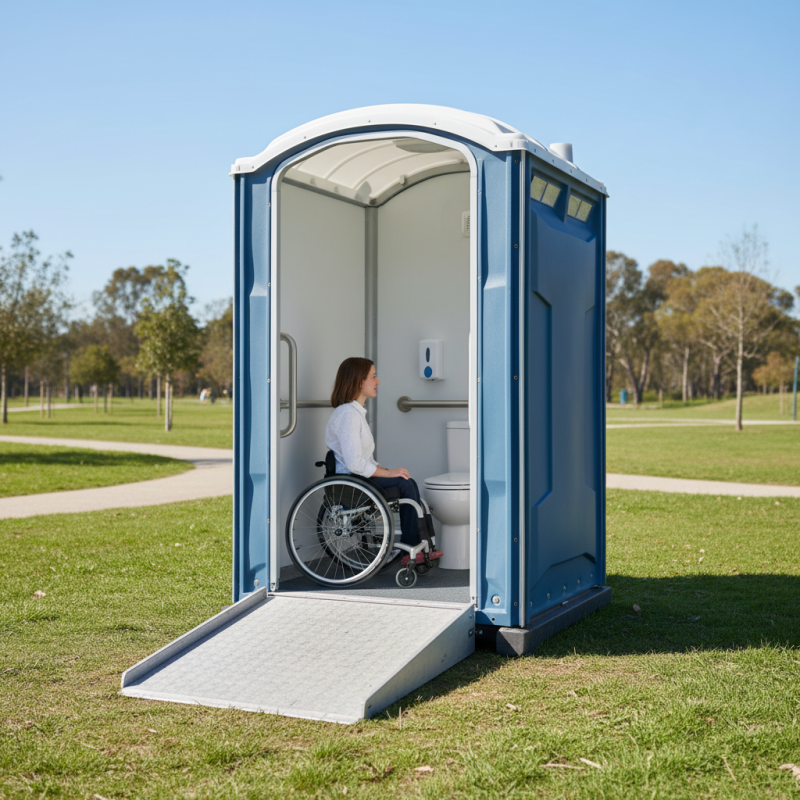
Consider the size of the entry. It should be wide enough for wheelchair access. An adequate door width allows ease of movement. Also, the interior space must accommodate a wheelchair without obstruction. Look for options with grab bars. They provide necessary support and safety when maneuvering.
Pay attention to the toilet height. It should align with wheelchair seats. Users deserve to find comfort and ease when using these facilities. Choose models with non-slip floors. These surfaces reduce the risk of falls, ensuring safety. Assessing these details makes a significant difference. Addressing imperfections can improve the overall experience. Accessible designs not only serve wheelchair users but also promote inclusivity.
Key Features to Look for in Wheelchair Accessible Portable Toilets
When choosing portable toilets for wheelchair users, certain key features stand out. Accessibility is paramount. Look for units with wide doorways, at least 32 inches, to allow easy entry and exit. The interior should be spacious enough to maneuver a wheelchair comfortably. A minimum of 60 inches of turning space is ideal. Consider toilets with grab bars for added safety when transferring.
Another critical feature is the height of the toilet seat. A seat that is 17 to 19 inches high helps users sit and stand with less difficulty. Adequate lighting is often overlooked but essential. Bright, energy-efficient LED lights enhance visibility, especially in evening events. Look for units with a non-slip floor surface to prevent falls.
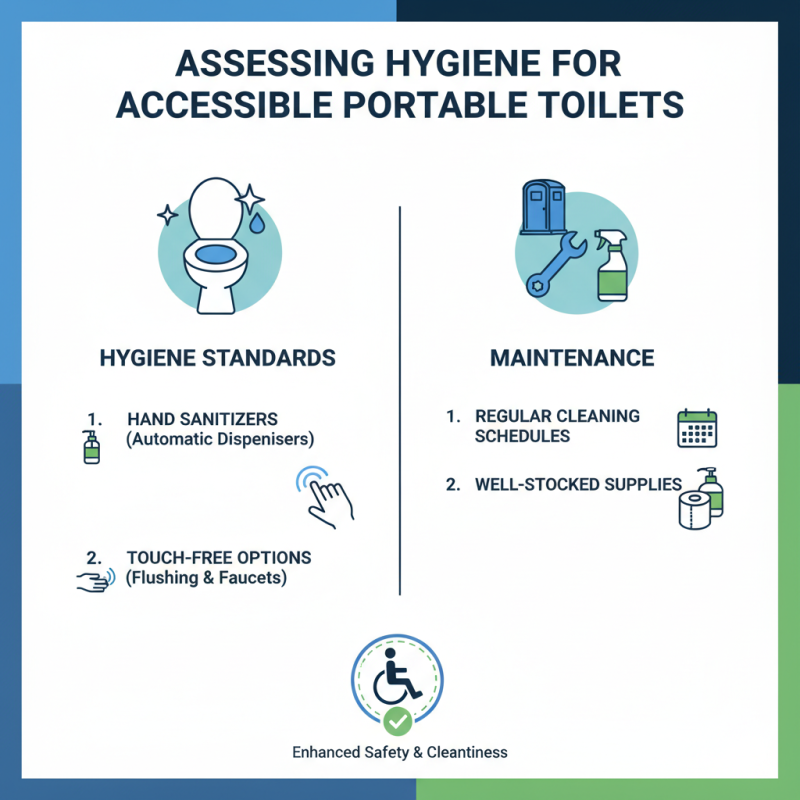
While many portable toilets are designed with these features, not all meet the necessary standards. Verify the quality of materials used; flimsy structures can compromise safety. Pay attention to sanitation options as well. A handwashing station nearby adds convenience and hygiene. Always inspect the portable toilet before use to ensure it meets your specific needs.
Top 7 Tips for Choosing Portable Toilets for Wheelchair Users
| Feature |
Description |
Importance |
| Ramp Access |
A sturdy ramp to ensure easy entry and exit for wheelchair users. |
High |
| Interior Space |
Ample space to maneuver a wheelchair inside comfortably. |
High |
| Grab Bars |
Installed grab bars to aid in transitions and stability. |
Medium |
| Accessible Toilet Seat |
A toilet seat designed for easy transfers from wheelchair. |
High |
| Hands-Free Operation |
Features like foot pedals or automatic flush to aid those with limited mobility. |
Medium |
| Lighting |
Adequate lighting for visibility and safety during use. |
Medium |
| Regular Maintenance |
Commitment to regular cleaning and upkeep to ensure hygiene. |
High |
Evaluating the Space and Configuration of Portable Toilets for Wheelchair Access
When selecting portable toilets for wheelchair users, space and configuration are crucial. A well-designed toilet should allow easy maneuvering. Look for models with a wide entrance. The door should swing outward for simple access. Ensure there is enough space inside for wheelchair turning.
Consider the layout of the interior. Guidance from disability advocates can be helpful here. Clear floor space is necessary. Some designs may fall short in providing adequate room. Don’t hesitate to ask about dimensions or even visit a few setups before making a decision.
Another important aspect is the height of the toilet seat. Ideally, it should match standard wheelchair height. This prevents unnecessary strain when transferring. Think about additional support features, such as grab bars. They are vital for safety and independence. Learning from others’ experiences can reveal potential issues with specific models. Don’t overlook this when choosing the right solution.
Comparative Analysis of Cost: Standard vs. Wheelchair Accessible Portable Toilets
When choosing portable toilets for wheelchair users, cost is a significant factor. Standard portable toilets usually cost less, making them widely available. They range from $50 to $200, depending on size and features. However, these units often lack the necessary accessibility features for wheelchair users. A standard unit could present barriers, limiting usability for individuals with mobility challenges.
In contrast, wheelchair-accessible portable toilets come with a higher price tag, typically between $200 and $700. These units are larger and equipped with features like grab bars and non-slip flooring. They cater specifically to the needs of users in wheelchairs, promoting ease of access and comfort. While the upfront cost is higher, the benefits they provide are worth considering. Some may see this expense as excessive. But, investing in proper facilities promotes inclusivity at events and public spaces.
Deciding between the two types is not merely about cost. Consider the potential user experience. Unavailability of accessible options can lead to discomfort and frustration. It's essential to reflect on the needs of all users when making this choice. Balancing affordability with accessibility can be challenging, but it is crucial for ensuring everyone can enjoy the same level of accessibility.