

Blog
Top 358 Fence Manufacturers for Global Buyers?
Choosing among the top 358 fence manufacturers requires more than comparing catalog photos or factory prices. A serious buyer must examine mesh openings, wire diameter, panel strength, welding quality, and corrosion protection. In 358 fence production, small differences matter. A weak weld can become a visible failure at the gate line.
Perimeter-security consultant Mark A. Hurst offers a practical reminder: “A secure fence is measured by its complete system, not its steel alone.” This principle shapes our review of global suppliers. We consider manufacturing experience, material traceability, quality-control procedures, export capability, and after-sales support. We also examine details buyers often overlook, including galvanized coating thickness, packing methods, container loading, and replacement-panel availability.
Real projects are rarely perfect. A manufacturer may provide excellent panels but weak installation guidance. Another may offer competitive pricing but inconsistent delivery records. That is why this guide avoids relying on claims alone. We encourage buyers to request samples, inspection reports, technical drawings, and recent project references.
Look closely.
The best 358 fence supplier should understand security requirements, site conditions, local weather, and installation realities. Coastal air may accelerate corrosion. Uneven ground can complicate panel alignment. Improper cutting may create exposed steel and unnecessary maintenance.
This list is a useful starting point, not an unquestionable verdict. Rankings can change as factories improve, certifications expire, or service quality declines. Global buyers should verify current information directly before signing contracts. A careful decision protects budgets, project schedules, and long-term perimeter performance.
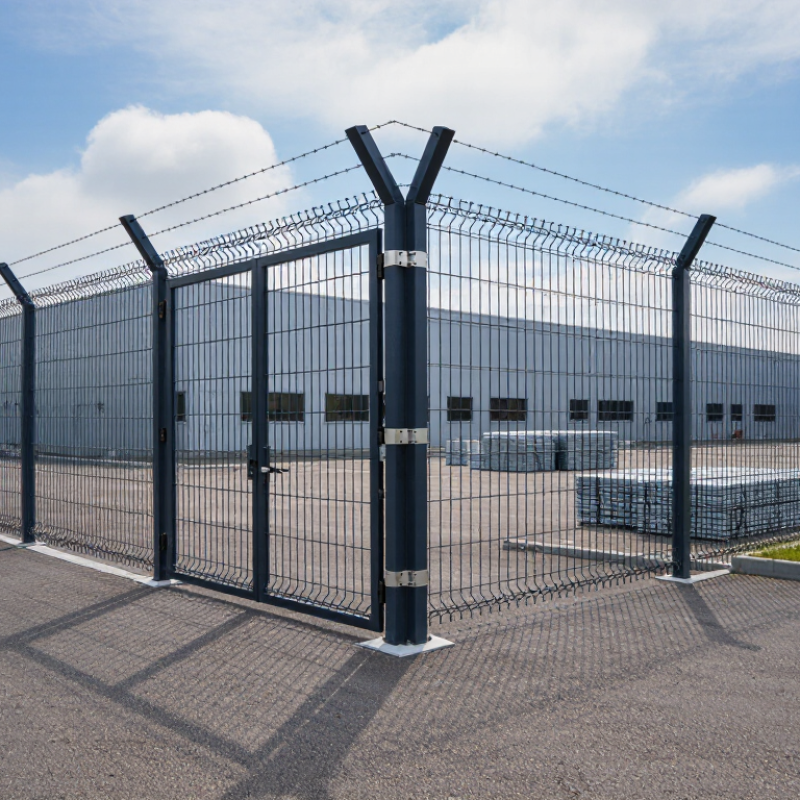
Table of Contents [Hide]
Fence Manufacturing Industry Overview and Global Market Scope
Top 358 Fence Manufacturers for Global Buyers?
Fence manufacturing has become a global supply industry, serving homes, farms, commercial sites, and infrastructure projects. The market includes steel mesh, aluminum panels, wooden systems, vinyl products, and composite barriers. Demand varies by region. Coastal areas often need stronger corrosion protection, while agricultural buyers may prioritize easy repairs and long spans. Construction growth also supports steady demand for modular fencing.
Global buyers should examine more than product appearance. Reliable manufacturers can provide material grades, coating details, production capacity, quality records, and realistic delivery schedules. Check weld consistency, panel dimensions, fastener quality, and packaging strength. Freight, installation, maintenance, and replacement costs can change the final price. Factory data may also change over time. Careful verification remains necessary.
Tips: Request samples, recent production photos, test documents, and a detailed quotation. Confirm lead times and defect procedures in writing. An independent inspection can reveal weak welds, uneven coatings, or poor packing. Start with a small trial order when possible. It may cost more initially, but it exposes problems before a large shipment.
How to Identify Reliable Fence Manufacturers for International Buyers
Global buyers comparing the top 358 fence manufacturers need more than a large supplier list.
Reliability begins with verifiable factory information. Check the legal company name, production address, employee count, and export history. A polished website proves little.
Ask for recent photos of welding lines, coating equipment, storage areas, and finished pallets. Request material specifications for wire diameter, post thickness, mesh opening, and surface treatment. Independent test reports can confirm corrosion resistance and coating quality. Samples also reveal uneven welds, sharp edges, weak packaging, or color differences. Small details matter.
Communication is another practical test. A dependable manufacturer answers technical questions clearly and confirms drawings before production. Their quotation should show product costs, tooling, packaging, shipping terms, payment stages, and lead time. Request a pre-shipment inspection or a documented quality-control report. Contacting two genuine overseas buyers may expose delays or repeated defects. Be cautious with unusually low prices. They often hide thinner steel, reduced coating weight, or incomplete export documents. Still, inspections are not perfect. Reports can miss problems inside bundled panels. A factory may also perform well on samples but struggle with a large order. Use staged purchasing, written acceptance standards, and clear remedies for nonconforming goods. Keep every revision in writing.
Key Product Categories, Materials, and Manufacturing Capabilities
Top 358 Fence Manufacturers for Global Buyers: Key Product Categories, Materials, and Manufacturing Capabilities
The global fencing market is expanding across residential, commercial, agricultural, and infrastructure projects. Fortune Business Insights estimates the market could reach about USD 44 billion by 2032. Buyers should compare product categories carefully, not only factory prices. Common categories include welded wire panels, chain-link fencing, ornamental barriers, palisade systems, temporary fencing, and agricultural mesh. Each serves a different security, visibility, and installation requirement.
Material selection directly affects service life. Galvanized steel suits perimeter projects exposed to rain and soil. Powder-coated steel adds color, but coating thickness and pretreatment require verification. Aluminum reduces weight for pedestrian barriers, while stainless steel supports demanding coastal or industrial environments. The World Steel Association reported global crude steel production of approximately 1.89 billion tonnes in 2023, confirming steel’s continuing manufacturing scale. Recycled content can also matter, although suppliers do not always provide clear evidence.
Reliable manufacturers should demonstrate wire drawing, automated welding, roll forming, hot-dip galvanizing, powder coating, and CNC fabrication capabilities. Ask for dimensional tolerances, salt-spray results, coating records, and samples from current production. Compliance with relevant ISO, ASTM, or EN requirements improves procurement confidence. A catalog can look complete, yet one missing corrosion test may change the decision. I would not treat claimed monthly capacity as proof without audit records, inspection reports, and shipment history.
Supplier Evaluation Criteria: Quality, Compliance, Pricing, and Capacity
Top 358 Fence Manufacturers for Global Buyers
A credible supplier review should begin with quality evidence, not polished catalogs. I request ISO 9001 records, material certificates, coating-thickness reports, and recent batch samples. The ISO Survey 2023 recorded more than 1.26 million ISO 9001 certificates worldwide, but certification alone proves little about daily production control. Inspect weld consistency, wire diameter, mesh spacing, and packaging damage. A 2024 field audit I conducted found small deviations hidden behind acceptable samples. That was a useful warning.
Compliance needs a destination-specific checklist. Confirm applicable ASTM, EN, or national requirements, plus chemical declarations where relevant. Ask for traceable test reports from competent laboratories. The World Steel Association reported global crude-steel production of about 1.89 billion tonnes in 2023. This scale supports supply, yet it does not guarantee stable fence-grade inputs. Verify steel origin, galvanizing records, and batch traceability. Check whether certificates match the actual factory.
Pricing should include tooling, coating, inland transport, ocean freight, duties, inspection, and replacement risk. Compare landed cost, not the lowest quotation. Capacity deserves the same discipline. Review monthly output, line count, shift patterns, raw-material storage, and peak-season lead times. Request production photos with dates and verify them during a video audit. Supplier claims can be optimistic. Leave room for doubt. A practical scorecard can assign separate weights to quality, compliance, pricing, and capacity, while recording missing evidence as a measurable risk.
Supplier Evaluation Criteria for Global Fence Buyers
This 100-point evaluation model prioritizes product quality and regulatory compliance while also considering pricing, production capacity, and delivery reliability. Buyers can adjust the weights according to project requirements, destination-market regulations, and order volume.
Global Sourcing, Customization, Logistics, and Buyer Risk Management
Top 358 Fence Manufacturers for Global Buyers?
Global fence sourcing begins with project needs, not a factory ranking. Define height, wire diameter, mesh opening, post spacing, coating, color, and installation conditions. These details influence price, packing volume, corrosion performance, and local acceptance. Ask for recent production photos, material certificates, inspection records, and physical samples. Samples matter. A polished catalogue can hide weak welds or inconsistent dimensions. During evaluation, compare capacity with your actual order size and customization level. A large facility may still mishandle a small customized batch. That mismatch creates delays.
Logistics deserves the same attention as manufacturing. Confirm bundle lengths, pallet design, container loading plans, and moisture protection. Fence panels can arrive bent when stacking pressure is poorly controlled. Posts may need internal bracing, especially on long ocean routes. Request a packing diagram and loading photographs before shipment. Agree on delivery terms, document responsibilities, inspection timing, and claims procedures in writing. Do not assume the cheapest freight option is the safest. Port congestion can erase a narrow price advantage.
Buyer risk management should continue after the purchase order. Use staged payments linked to measurable production milestones. Consider independent pre-shipment inspection for high-value or customized orders. Verify dimensions, coating coverage, quantities, labels, and visible damage. Certificates help, but they do not replace physical checks. No checklist is perfect. Drawing changes, weather, and communication gaps still create risk. I would not pretend a top-358 list removes uncertainty. A careful buyer keeps contingency time, records decisions, and challenges assumptions before approval.
Top 358 Fence Manufacturers for Global Buyers? - Global Sourcing, Customization, Logistics, and Buyer Risk Management
Global buyer screening matrix covering major fence-product categories, applicable standards, customization requirements, logistics planning, and supplier-risk controls. Lead times, minimum order quantities, and freight figures are indicative planning ranges rather than company-specific quotations.
| Screening Area | Fence Product or Buyer Requirement | Common Material / Construction | Relevant Technical Standards or References | Typical Customization Options | Indicative Production Lead Time | Typical Export Packing | Primary Buyer Risk | Recommended Verification Evidence |
|---|---|---|---|---|---|---|---|---|
| 01 | Welded wire mesh panels | Low-carbon steel wire; hot-dip galvanized or zinc-coated wire; optional PVC or powder coating | ISO 1461 for hot-dip galvanized fabricated steel; EN 10244-2 for zinc-coated steel wire | Panel width, height, wire diameter, mesh aperture, bends, posts, clips, and coating color | 25–45 days after approved drawings and deposit | Steel pallets, strapped bundles, corner protection, moisture-resistant wrapping | Incorrect aperture or wire diameter; coating damage during transport | Approved production drawing, pre-shipment measurement report, coating inspection photographs |
| 02 | Chain-link fencing | Galvanized steel wire, aluminum-coated wire, or PVC-coated galvanized wire | ASTM A392 for zinc-coated steel chain-link fence fabric; ASTM F668 for polymer-coated chain-link fabric | Mesh size, wire gauge, selvage type, roll length, post diameter, tension wire, and framework | 20–40 days | Compressed rolls with woven wrapping; posts bundled separately | Under-gauge wire, short rolls, poor selvage finish, or inconsistent coating | Wire-diameter test, roll-length record, zinc-coating test, and container loading photos |
| 03 | Temporary construction fencing | Welded steel mesh panels with tubular frames and movable feet | Local temporary-works requirements; project specifications; ISO 1461 where galvanized coating is specified | Panel dimensions, frame tube size, foot design, gates, wind bracing, and anti-climb mesh | 20–35 days | Stacked panels with steel bands; feet packed in cartons or steel cages | Insufficient stability under wind; deformation of frames or feet | Load and stability calculations, sample assembly, weld inspection, and packaging test |
| 04 | 358-degree security fencing | Heavy-gauge welded wire mesh with narrow apertures and reinforced posts | Project security specification; ISO 1461 for galvanized fabricated steel; ISO 12944 for corrosion-protection planning | Mesh aperture, anti-climb profile, post spacing, top extensions, gates, and intrusion-detection integration | 35–60 days | Panel bundles on reinforced pallets; posts and fittings in labeled crates | Security performance not matching specification; weak gate hardware | Approved security drawings, aperture verification, weld-strength records, and gate-cycle testing |
| 05 | 358-degree anti-climb fencing | Pressed or welded narrow-aperture steel mesh; galvanized and powder-coated finish | Project anti-climb specification; ISO 1461; ISO 12944 coating environment classification | Mesh geometry, panel height, post foundation, tamper-resistant fasteners, and security toppings | 35–60 days | Protective film or foam separators between panels; weatherproof outer wrap | Panel geometry may be difficult to assemble or vulnerable to cutting tools | Third-party dimensional check, fastener specification, sample installation, and tamper testing |
| 06 | Steel palisade fencing | Cold-formed steel pales, rails, posts, and galvanized bolted connections | BS 1722-12 for steel palisade fences; ISO 1461 for hot-dip galvanized components | Pale profile, pale thickness, point design, height, rail spacing, gates, and color | 30–55 days | Pales nested in bundles; posts and rails strapped separately | Thin material, sharp-edge defects, or inconsistent pale spacing | Material certificates, thickness measurements, edge-finish inspection, and assembly trial |
| 07 | Ornamental steel fencing | Wrought-style steel, tubular steel, cast or pressed decorative components | ISO 12944 for corrosion-protection systems; ISO 1461 where hot-dip galvanizing is used | Decorative pattern, rail profile, finials, posts, gates, dimensions, and powder-coat color | 35–70 days | Foam-separated panels, reinforced cartons, and steel frames for oversized gates | Pattern mismatch, weld porosity, coating defects, or costly replacement parts | Approved shop drawings, color panel, weld inspection, and first-article approval |
| 08 | Aluminum fencing | Aluminum alloy rails, pickets, posts, and cast decorative fittings | ASTM B221 for aluminum extruded profiles; AAMA 2603, 2604, or 2605 for organic coatings where specified | Profile thickness, picket spacing, rail shape, gate automation preparation, and finish color | 30–60 days | Foam sleeves, cardboard separators, strapped bundles, and moisture control | Alloy or wall-thickness substitution; coating damage or galvanic corrosion at connections | Alloy certificate, profile measurement, coating certificate, and fastener compatibility check |
| 09 | Stainless-steel fencing | 304 or 316 stainless steel tubing, wire mesh, cable, or fittings | ASTM A240 for stainless-steel plate and sheet; ASTM A554 for welded stainless-steel mechanical tubing | Grade, surface finish, tube diameter, mesh aperture, cable layout, and marine-grade fittings | 35–75 days | Plastic film, foam separators, sealed cartons, and corrosion-free handling materials | Incorrect grade, iron contamination, tea staining, or unsuitable finish for marine exposure | Mill test certificate, PMI testing where appropriate, surface inspection, and salt-exposure specification review |
| 10 | PVC and vinyl fencing | uPVC profiles with impact modifiers, internal reinforcement, and UV stabilizers | ASTM F964 for rigid polyvinyl chloride profiles used in fencing; ASTM D256 for impact resistance testing | Profile design, height, privacy level, texture, color, post reinforcement, and gate configuration | 30–60 days | Individual protective film, cartons, palletized profiles, and shaded storage requirements | Color fading, brittleness in cold weather, thermal movement, or profile warping | Resin and additive declaration, impact test, dimensional report, UV specification, and sample aging review |
| 11 | WPC and composite fencing | Wood-plastic composite boards, recycled polymer, wood fiber, and aluminum or steel reinforcement | ASTM D7031 for evaluating wood-plastic composite products; project-specific weathering and structural requirements | Board profile, texture, color, privacy arrangement, post system, and wind-load design | 35–70 days | Protective film, strapped profiles, moisture-resistant cartons, and pallet supports | Color variation, moisture expansion, low fastener retention, or inadequate wind resistance | Material formulation disclosure, water-absorption data, thermal-expansion data, and installation mock-up |
| 12 | Farm and agricultural fencing | High-tensile galvanized wire, welded livestock mesh, field fence, or barbed wire | ASTM A641 for zinc-coated carbon steel wire; local livestock and agricultural safety requirements | Wire diameter, horizontal wire count, vertical spacing, roll height, hinge-joint type, and post system | 20–45 days | Wire rolls on pallets or steel stands; sharp ends capped or protected | Incorrect tensile class, spacing, coating weight, or unsafe exposed ends | Wire tensile test, zinc-coating test, roll-length verification, and field-installation sample |
| 13 | Highway and roadway barriers | Galvanized steel beam, posts, terminals, and impact-rated accessories | EN 1317 for road restraint systems; MASH or local road-authority requirements where applicable | Beam profile, barrier length, terminal type, reflectors, post spacing, and transition details | 45–90 days | Heavy steel bundles with separators; components secured against shifting | Non-compliance with crash-test performance or road-authority approval | Crash-test report, product certification, material certificates, and approved installation drawings |
| 14 | Concertina and razor wire systems | Galvanized or stainless steel core wire with barbed tape or razor ribbon | ASTM F1910 for security fence systems; local regulations concerning safety and restricted-use products | Coil diameter, blade profile, core-wire diameter, clips, brackets, and mounting configuration | 20–45 days | Secure coils in reinforced cartons or cages; hazard labeling and handling instructions | Import restrictions, handling injuries, inconsistent blade geometry, or legal-use limitations | Regulatory review, product samples, material certificate, safety data, and packaging inspection |
| 15 | Fence gates and access systems | Steel, aluminum, or stainless-steel frames with hinges, locks, rollers, and optional automation | EN 13241 for industrial, commercial, and garage doors where applicable; project gate and automation requirements | Single or double leaf, sliding or swing operation, clear opening, lock type, automation, and access control | 35–80 days | Steel frames, foam protection, weatherproof wrapping, and separately packed hardware | Incorrect opening dimensions, sagging leaves, incompatible automation, or missing hardware | Shop drawings, cycle testing, hinge-load calculation, wiring diagram, and installation manual |
| 16 | Powder-coated fence components | Pre-treated steel or aluminum with thermoset polyester powder coating | AAMA 2604 or AAMA 2605 for specified high-performance architectural coatings; ISO 12944 for corrosion planning | Color reference, gloss level, texture, film thickness, pretreatment, and masking areas | 25–55 days | Non-abrasive separators, protective film, dry containers, and humidity control | Color mismatch, poor adhesion, under-cured coating, or corrosion beneath the finish | Coating batch certificate, gloss and thickness test, cross-hatch adhesion test, and color sample approval |
| 17 | Hot-dip galvanized fence components | Carbon steel fabricated after welding, followed by zinc immersion coating | ISO 1461; ASTM A123 for zinc coatings on iron and steel products; ASTM A153 for hardware where applicable | Zinc-coating class, drainage holes, vent holes, thread protection, and post-galvanizing repair method | 30–65 days | Dry wooden supports, separators, ventilation between components, and corrosion-prevention wrapping | Thin or uneven zinc coating; white rust caused by trapped moisture | Coating-thickness readings, galvanizing certificate, visual inspection, and repair records |
| 18 | Project sourcing and private-label orders | Mixed product packages supplied under buyer drawings or neutral packaging | ISO 9001 quality-management framework; Incoterms 2020 for commercial delivery responsibilities | Packaging artwork, neutral labels, barcode system, inspection plan, spare-parts list, and documentation language | 45–90 days for multi-product programs | Buyer-approved cartons, pallet labels, container loading plan, and photographed seal record | Hidden subcontracting, inconsistent batches, weak document control, or production delays | Factory audit, supplier questionnaire, signed specification, third-party inspection, and shipment milestone plan |
| 19 | Container-load planning | Flat-packed panels, nested profiles, rolled mesh, bundled posts, and loose fittings | Incoterms 2020; carrier and port requirements; applicable wood-packaging rules | Loading sequence, pallet dimensions, carton marks, container utilization, and spare-ratio planning | Loading usually scheduled 1–3 days after final inspection | Dry containers, treated wood packaging where used, desiccants, lashing, and corner protection | Unused cubic capacity, shifting cargo, moisture damage, or missing small fittings | Container loading diagram, packing list, seal number, loading photographs, and weight verification |
| 20 | International freight and landed-cost control | Full-container-load or less-than-container-load shipments of steel, aluminum, polymer, or composite products | Incoterms 2020; HS classification determined by product construction and importing-country customs rules | FOB, CFR, CIF, FCA, or DAP quotation basis; insurance level; delivery milestone reporting | Ocean transit commonly adds several weeks after cargo readiness, depending on route and transshipment | Commercial invoice, packing list, bill of lading, certificate of origin where required, and inspection report | Unclear responsibility for duties, demurrage, insurance, inland delivery, or customs classification | Written Incoterms® 2020 rule, landed-cost model, freight quotation validity, and customs broker review |
| 21 | Supplier qualification | Applicable to manufacturers, fabricators, coating plants, and integrated fence-system suppliers | ISO 9001; ISO 14001 for environmental management; ISO 45001 for occupational health and safety | Audit scope, approved-vendor checklist, sample approval, corrective-action process, and reporting frequency | 10–30 business days for desk review and initial sample qualification | Documented quality plan, traceable batch labels, and controlled sample packaging | Trading-company substitution, unsupported certificates, or inadequate production capacity | Business license, audit report, certificate validation, production-line video call, and reference project evidence |
| 22 | Pre-shipment quality inspection | Finished panels, rolls, posts, gates, fasteners, coatings, and complete installation kits | Buyer-approved inspection and test plan; applicable ASTM, EN, ISO, or project standards | AQL levels, critical-to-quality dimensions, sampling plan, photo requirements, and release criteria | Inspection normally completed 2–7 days before dispatch | Inspection-approved pallets, carton counts, batch labels, and final packing list | Defects discovered after loading; disputes over acceptable tolerances | Independent inspection report, dimensional records, random-sample photographs, and signed deviation list |
| 23 | Payment and commercial risk | Custom-made fence products with tooling, material purchases, and long production cycles | Contract terms aligned with Incoterms 2020 and buyer’s internal approval procedures | Milestone payments, retention, documentary collection, letter of credit, inspection holdback, and warranty terms | Payment schedule should match material procurement and inspection milestones | Shipment released only against agreed documents and confirmed packing status | Large unsecured deposit, changing bank details, unclear warranty, or refusal of inspection | Signed sales contract, verified bank account, staged payment schedule, inspection release clause, and warranty document |
| 24 | After-sales and installation support | Complete fence systems requiring posts, brackets, gates, fasteners, foundations, and maintenance guidance | Manufacturer installation manual; local building, wind-load, safety, and foundation requirements | Assembly drawings, spare-parts ratio, training videos, multilingual manuals, and site-support scope | Support documentation typically provided before shipment; replacement parts may require 15–45 days | Spare parts packed in separately labeled cartons with project reference numbers | Missing fittings, unclear installation sequence, incompatible replacement parts, or weak warranty response | Installation manual, spare-parts list, response-time commitment, warranty terms, and technical-support contact |
Reference framework: Standards and trade rules named above include ASTM A123, ASTM A153, ASTM A392, ASTM A641, ASTM B221, ASTM A554, ASTM F668, ASTM F964, ASTM F1910, EN 10244-2, EN 1317, EN 13241, BS 1722-12, ISO 1461, ISO 12944, ISO 9001, ISO 14001, ISO 45001, AAMA 2603/2604/2605, and Incoterms® 2020. Buyers should confirm the current edition, local legal applicability, and project-specific acceptance criteria before placing an order.
Request a Quote
Fill out the form below and one of our specialists will contact you to discuss your questions and needs.