Top Digital Surge Protection Device Choices for Buyers?
Choosing the right Surge Protection Device (SPD) is essential for safeguarding your electronics. A surge protection device helps prevent damage from voltage spikes. These spikes can be caused by lightning strikes, power outages, or other electrical issues.
Many options are available on the market. Some are designed for home use, while others are tailored for industrial settings. Understanding your needs is crucial. You should consider factors like voltage rating, response time, and number of outlets. Each SPD serves a different purpose. It is not always easy to make the right choice, and mistakes can be costly.
In this guide, we will explore the top SPD options. Our focus will be on reliable brands and models known for their performance. We will delve into the features that set them apart. Additionally, we will discuss their pros and cons to help you make an informed decision. Investing in a high-quality surge protection device can save you from future headaches.
Understanding Digital Surge Protection Devices: An Overview
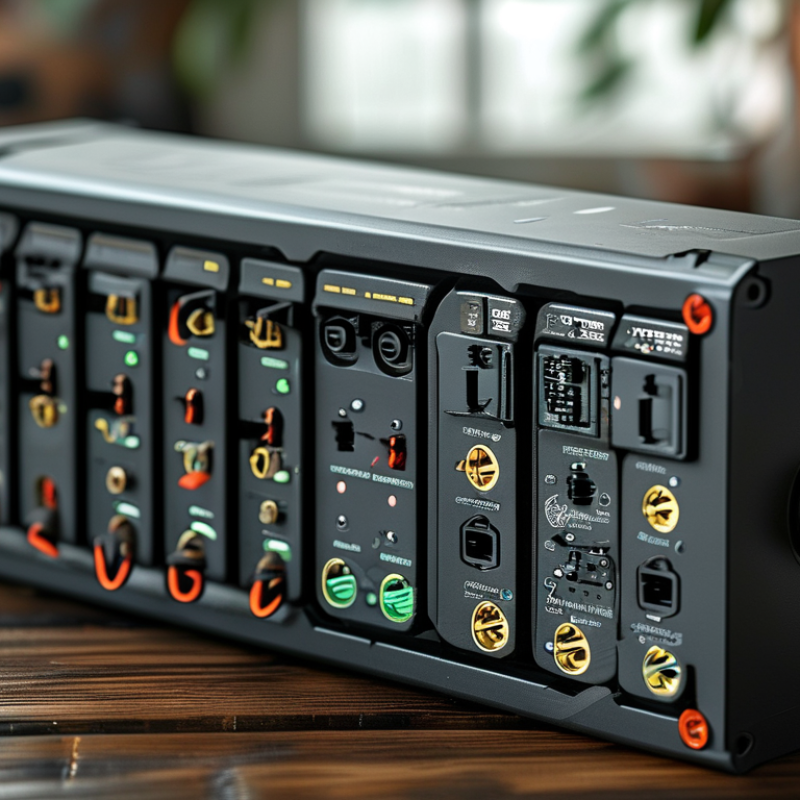
Digital surge protection devices (DSPDs) are essential for safeguarding sensitive electronics. In our increasingly connected world, the risk of power surges has risen. These devices work by absorbing and redistributing excess voltage, preventing damage. Understanding how these devices operate can enable buyers to make informed choices.
When selecting a DSPD, consider the device’s response time and energy absorption capability. A quick response time means better protection for your equipment. Energy absorption is crucial, particularly in areas prone to electrical storms. Additionally, check if the device offers indicators for status, which can signal when it’s time for replacement.
Tips: Always choose devices that comply with safety standards. Consider consulting professionals if the choices seem overwhelming. Many users often overlook this, leading to inadequate protection. Educate yourself on your devices’ specific needs. Each setup may require different levels of protection based on usage patterns and frequency of power fluctuations.
Key Features to Consider When Choosing Surge Protectors
When selecting a surge protector, consider its joule rating. This indicates the device's ability to absorb electrical surges. A higher joule rating provides better protection for your electronics. Look for at least a 1000 joule rating for basic home use.
Check for features like response time. A faster response time ensures that your devices are protected swiftly during a surge. Ideally, a surge protector should have a response time below one nanosecond. This minimal delay can make a significant difference.
Avoid surge protectors with just basic features. Some models offer additional functions like USB ports or built-in circuit breakers. These can enhance convenience and safety. Also, assess the number of outlets. Make sure there are enough outlets for all your important devices.
Tip: Regularly inspect your surge protector for any signs of damage or wear. If it feels unusually warm or has a burnt smell, replace it. Sometimes, it’s easy to overlook these warning signs.
Additionally, consider the warranty offered. A longer warranty often reflects greater confidence in the product. It reassures you of its reliability. Many surge protectors come with lifetime or connected equipment warranties. These can provide peace of mind.
Top Brands and Models of Digital Surge Protection Devices
When choosing a digital surge protection device, it's essential to focus on trusted brands and models. Quality devices can prevent costly damage to electronics. Many users appreciate features such as multiple outlets, USB ports, and indicator lights. Finding the right balance between price and features is crucial.
A few well-known brands offer reliable options. Some models provide advanced protection and fast response times. Others may focus more on usability or aesthetic design. Research users' reviews and expert opinions to identify the best choices. A device's warranty can reflect its reliability and performance. Consider the reputation of the manufacturer as well.
While many devices claim to deliver protection, not all perform equally. Users have reported mixed results from cheaper models. Some encountered issues like overheating or insufficient surge protection. It's important to weigh these factors carefully when making a decision. Ensuring that your device meets safety standards is non-negotiable.
Installation Tips for Optimal Performance of Surge Protectors
When installing surge protectors, positioning matters significantly. Place them close to your devices for maximum efficiency. Proper grounding is also crucial; an effective ground can dissipate excess energy. Check your home’s electrical system. If it’s outdated, you might need an upgrade to ensure optimal protection.
Another key factor is the choice of outlets. Avoid daisy-chaining multiple surge protectors. It can reduce their effectiveness and pose safety risks. Individual protectors should be plugged directly into the wall. This reduces the chance of overheating and helps maintain a clean installation.
Finally, regular maintenance is essential. Check the indicator lights on your surge protectors. If they are off or blinking, it may be time to replace them. Dust and dirt can also impact performance, so clean them periodically. These small steps can enhance the longevity and reliability of your surge protectors, helping safeguard your valuable electronics.
Top Digital Surge Protection Device Choices for Buyers
| Device Type | Voltage Rating | Surge Protection Rating (Joules) | Number of Outlets | Response Time | Price Range (USD) |
| Wall-Mounted | 120V | 2000J | 1 | 1 ns | $25 - $50 |
| Power Strip | 120V | 3000J | 8 | 0.5 ns | $30 - $80 |
| Whole House System | 240V | 5000J | N/A | <1 ns | $150 - $300 |
| Outdoor Device | 120V | 4000J | 4 | 0.5 ns | $70 - $120 |
Maintaining and Testing Your Surge Protection Devices for Longevity
Surge protection devices (SPDs) are crucial for protecting sensitive electronics. Regular maintenance and testing ensure they remain effective over time. According to the National Fire Protection Association, electrical surges are responsible for significant losses, including property damage and data loss. A simple test can reveal the operational status of these devices.
Testing methods can vary. Some experts recommend a visual inspection every six months. Look for physical damage or wear. Replacement parts should be kept on hand. It’s essential to know how long your SPD lasts. Many devices have a lifespan of 3 to 5 years, depending on usage and exposure to surges. Regular checks help ensure that your protection is reliable.
In addition, understanding the indicators on your surge protectors is vital. A green light often means the unit is operational, but a red indicator suggests it needs replacement. Over time, internal components can degrade. Without proper vigilance, devices may fail when you need them most. Remember, maintaining your SPDs is not just about protection; it’s about sustaining your valuable investments against unpredictable surges.