Top 10 Tips for Efficient Trash Disposal Methods?
Trash disposal is an important yet often overlooked aspect of our daily lives. Efficient trash disposal not only keeps our environment clean but also promotes sustainability. Many people throw away items carelessly, leading to excess waste. This indifference can create major problems. Overflowing landfills and pollution are just the start.
Understanding effective methods of trash disposal can help reduce our waste footprint. For instance, recycling and composting are practical strategies most people can adopt. These methods can save space in landfills. They also transform waste into useful resources. However, despite knowing this, many still toss recyclables into regular bins. This inconsistency highlights a gap in awareness.
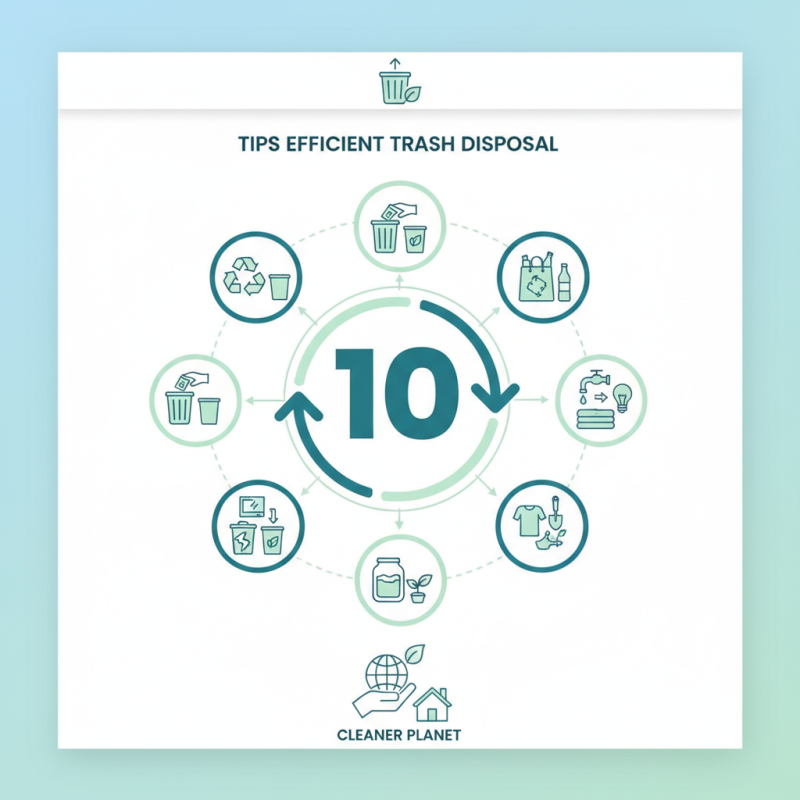
It's essential to recognize that every small action counts. We must reflect on our disposal habits. It’s easy to forget or ignore proper techniques in our busy lives. By improving our trash disposal methods, we contribute to a cleaner, healthier planet. Let’s explore some practical tips that everyone can implement today.
Understanding the Importance of Efficient Trash Disposal Methods
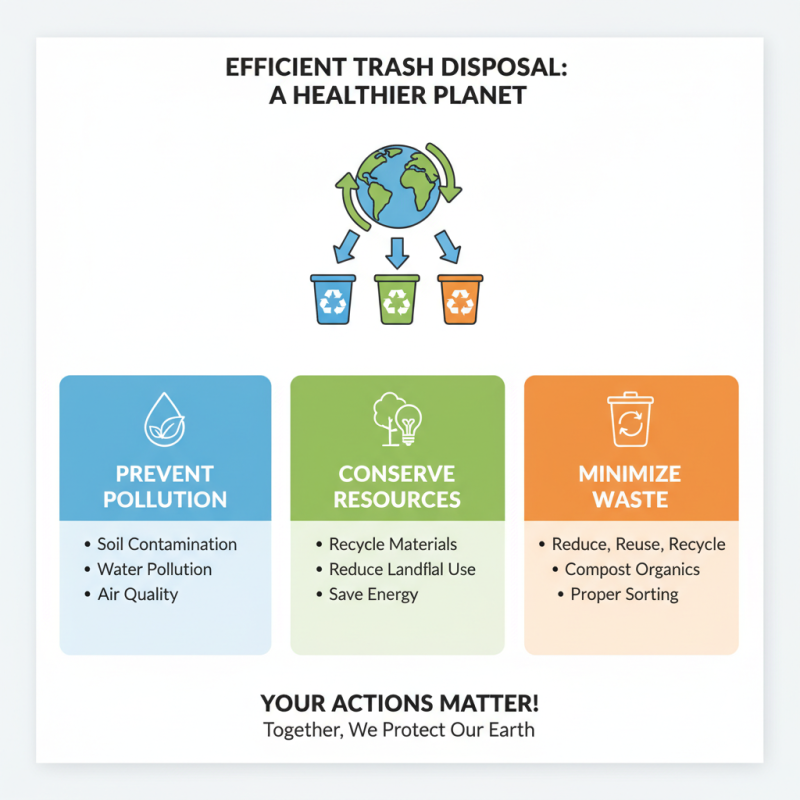
Efficient trash disposal methods are critical to maintaining a healthy environment. They help prevent pollution, conserve resources, and minimize waste. People often underestimate the impact of proper disposal. When we dispose of waste carelessly, it can lead to soil contamination and water pollution. Understanding how to manage waste effectively is essential for everyone.
One important tip is to sort your trash. Separate recyclable materials from general waste. This simple action significantly reduces landfill contributions. You can also compost organic waste, turning food scraps into nutrient-rich soil. If everyone did this, we could see a huge reduction in waste volume.
Additionally, consider reducing your waste generation. Evaluate what you purchase and how much packaging is involved. Opt for items with minimal packaging. This proactive step can lead to less waste overall. However, it is not always easy, and we often slip into old habits. Reflecting on our consumption patterns can help. By gradually adopting better practices, we can make a substantial difference in waste management.
Identifying Different Types of Waste for Proper Disposal
Proper waste disposal is crucial for a sustainable environment. Identifying different types of waste is the first step. According to the Environmental Protection Agency (EPA), about 292.4 million tons of trash were generated in the U.S. in 2018 alone. This staggering figure underscores the importance of correctly categorizing waste.
Household waste often includes materials like plastics, paper, and organic matter. Each type requires specific disposal methods. For example, plastic takes hundreds of years to decompose. In contrast, organic waste can be composted and provides essential nutrients for soil. A report from the World Bank indicates that around 1.3 billion tons of solid waste is generated globally each year. Unfortunately, almost 33% of it is not managed in an environmentally safe manner.
Improper disposal can lead to significant environmental issues. Landfills are overflowing, and pollution levels are rising. It's alarming that only about 34% of waste in the U.S. is recycled. This highlights a failure in waste management. Awareness and education can help individuals sort their waste correctly. It’s essential to reflect on personal habits and strive for improvement in waste disposal practices.
Top 10 Tips for Efficient Trash Disposal Methods
This chart illustrates the percentage of different types of waste based on common disposal methods. Understanding these categories helps in adopting more efficient trash disposal practices.
Exploring Eco-friendly Trash Disposal Techniques
Exploring eco-friendly trash disposal techniques is essential for sustainable living. The World Bank reports that global waste generation is expected to reach 3.4 billion tons by 2050. This alarming figure highlights the urgent need for efficient disposal methods.
One effective method is composting. It transforms organic waste into nutrient-rich soil. According to the Environmental Protection Agency, composting can reduce waste by 30%. Many households overlook this simple technique. Start small. Collect kitchen scraps in a container. Over time, your compost pile will flourish.
Another approach is recycling. A study by the National Recycling Coalition shows that recycling can save over 1 billion trees each year. However, not all items are recyclable. Contamination is a common issue. Many mistakenly place non-recyclable materials in their bins.
Consider donating reusable items instead of discarding them. Many organizations accept clothing, furniture, and electronics. This practice promotes a circular economy. It keeps usable goods out of landfills.
These tips highlight the importance of mindful disposal. With the right techniques, we can significantly minimize our trash footprint. Embracing eco-friendly practices is a step towards a better environment for future generations.
Implementing Recycling and Composting Practices
Implementing recycling and composting practices can significantly reduce waste. Recycling helps to repurpose materials like paper, plastic, and metals. It conserves resources and saves energy. Composting is another effective method to manage organic waste. It transforms food scraps and yard debris into nutrient-rich soil.
One tip for efficient recycling is to educate yourself about local guidelines. Not all materials are recyclable in every area. Additionally, clean your recyclables before placing them in the bin. Dirty items often end up in landfills.
Another tip is to create a composting system at home. Start with a small bin for kitchen scraps. You can include vegetable peels, coffee grounds, and dried leaves.
Accepting that not all waste can be recycled is crucial. Sometimes, it feels overwhelming. You might not see immediate results. Reflecting on your habits is necessary for improvement. Aim to reduce consumption as a first step. Consider repair instead of disposal. Little changes can lead to a more sustainable lifestyle.
Utilizing Local Waste Management Resources and Programs
Efficient trash disposal starts with understanding local waste management resources. Many communities offer recycling programs. They can help reduce landfill waste significantly. Check your local guidelines for what's recyclable. It can vary widely.
Utilizing drop-off centers can also be beneficial. These centers accept household hazardous waste, electronics, and more. However, we often overlook these resources. It's easy to toss old batteries into the regular trash. Instead, find a proper disposal method near you.
Regularly participating in community clean-up events can foster awareness. They remind us of our role in maintaining a clean environment. Additionally, feeling a part of a group can motivate better waste practices. The goal is improving our habits collectively. Be mindful and proactive in finding local solutions.